


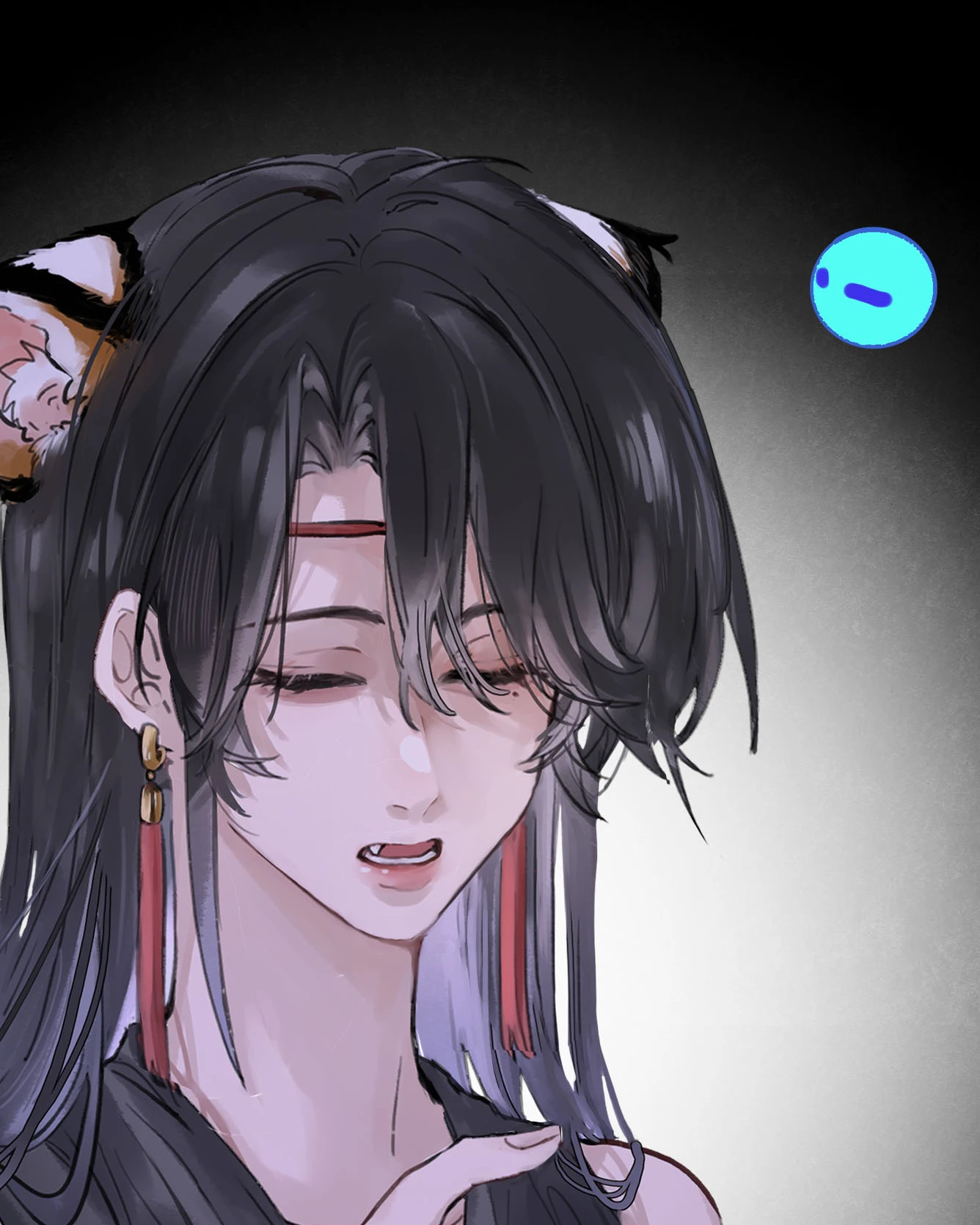



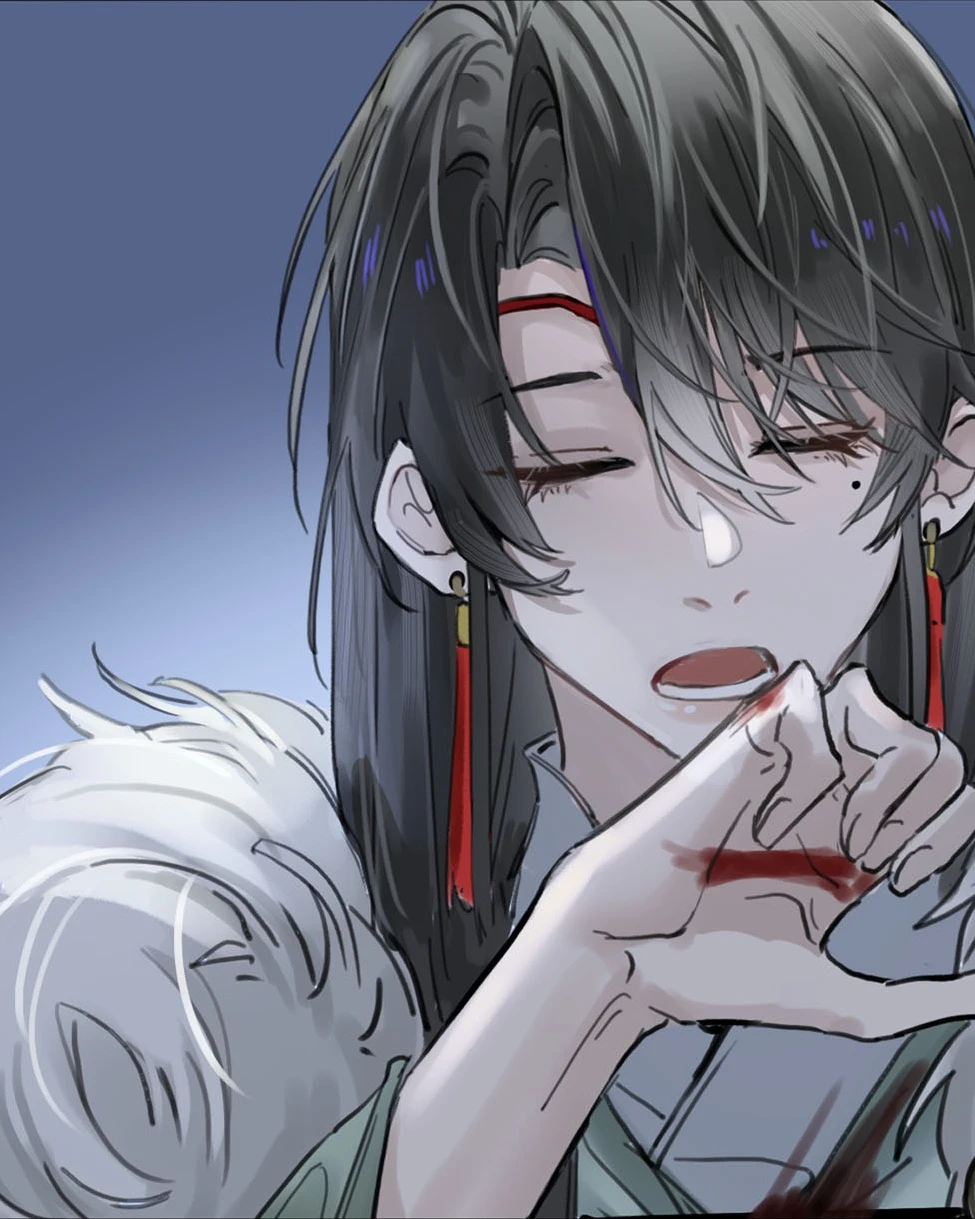




The destination is already a story.
Before the newcomer arrives, it already has a cast, relationships, genre conventions, and an expected plot because it exists as a novel or other authored narrative.
Chuanshu (穿书), often glossed as “entering a book,” is book transmigration: a character enters a storyworld that already exists as a novel or another authored narrative.
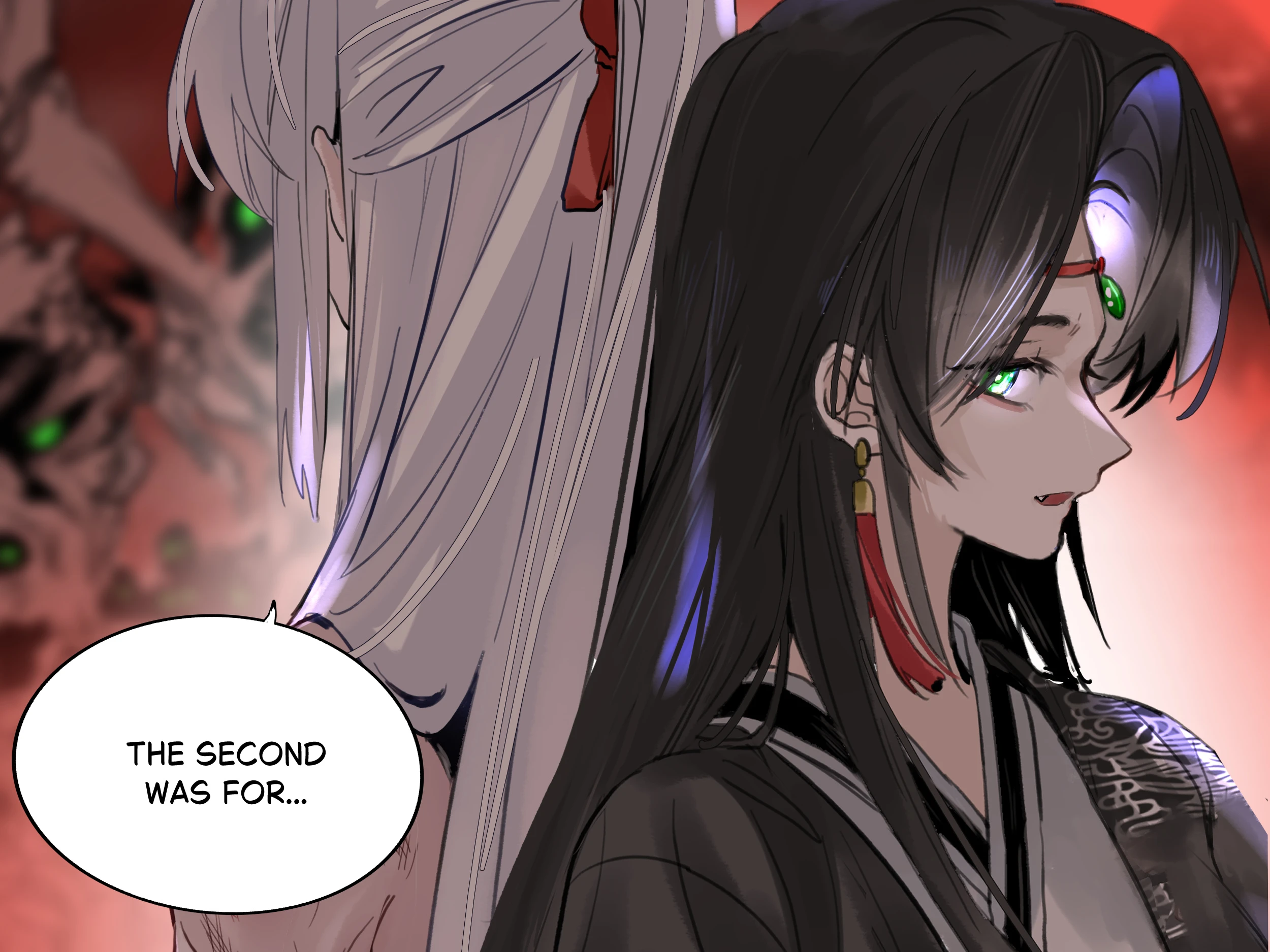
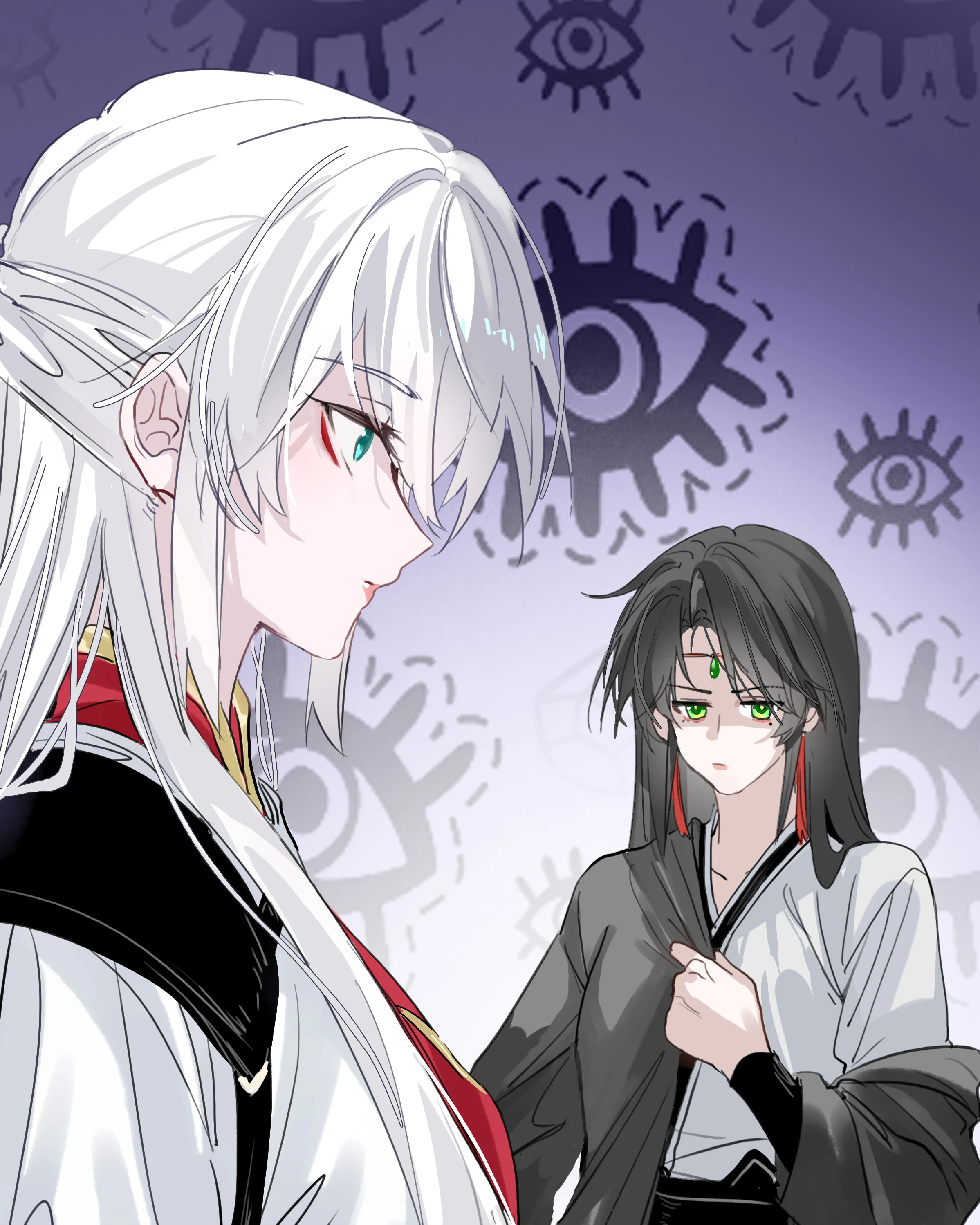
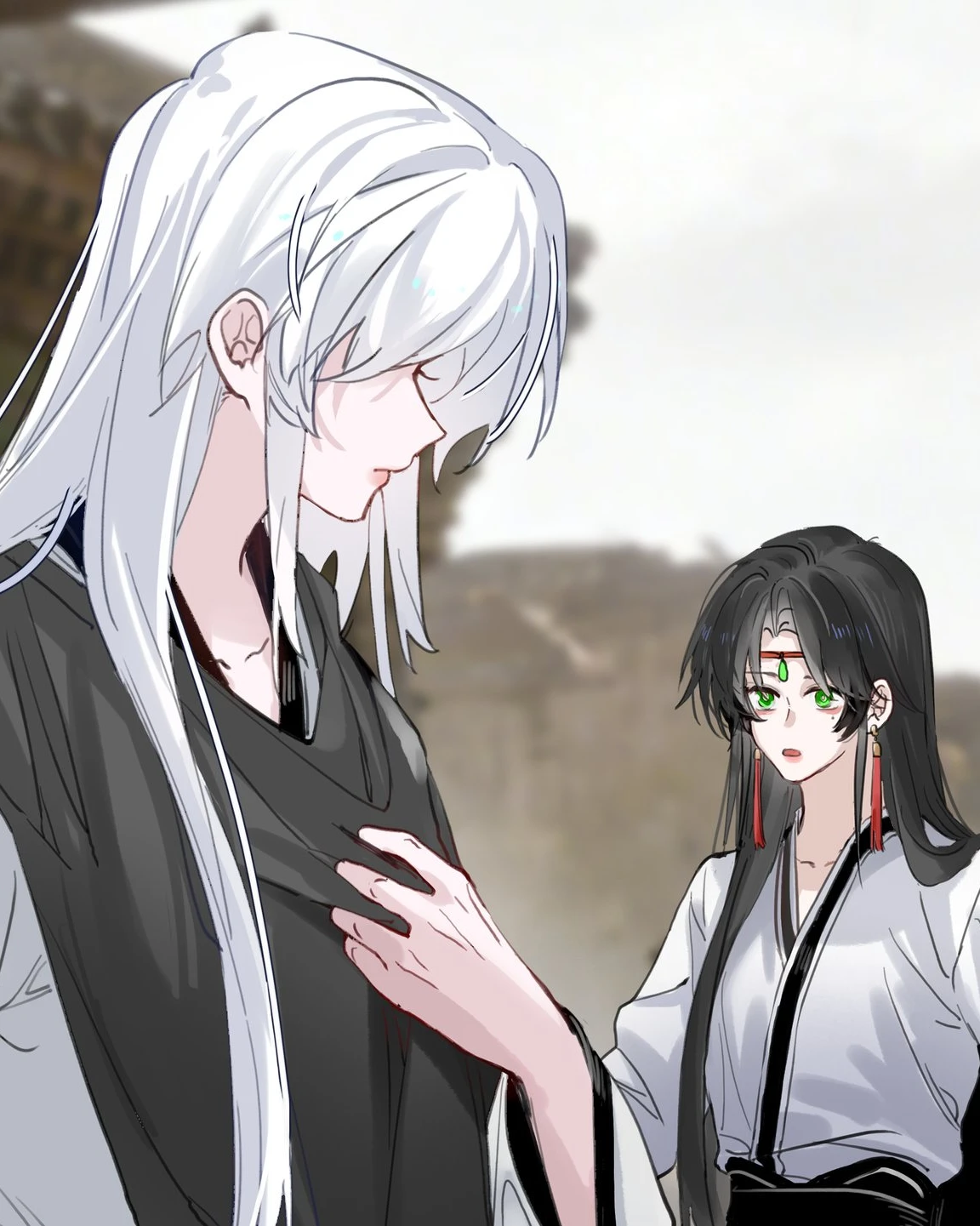
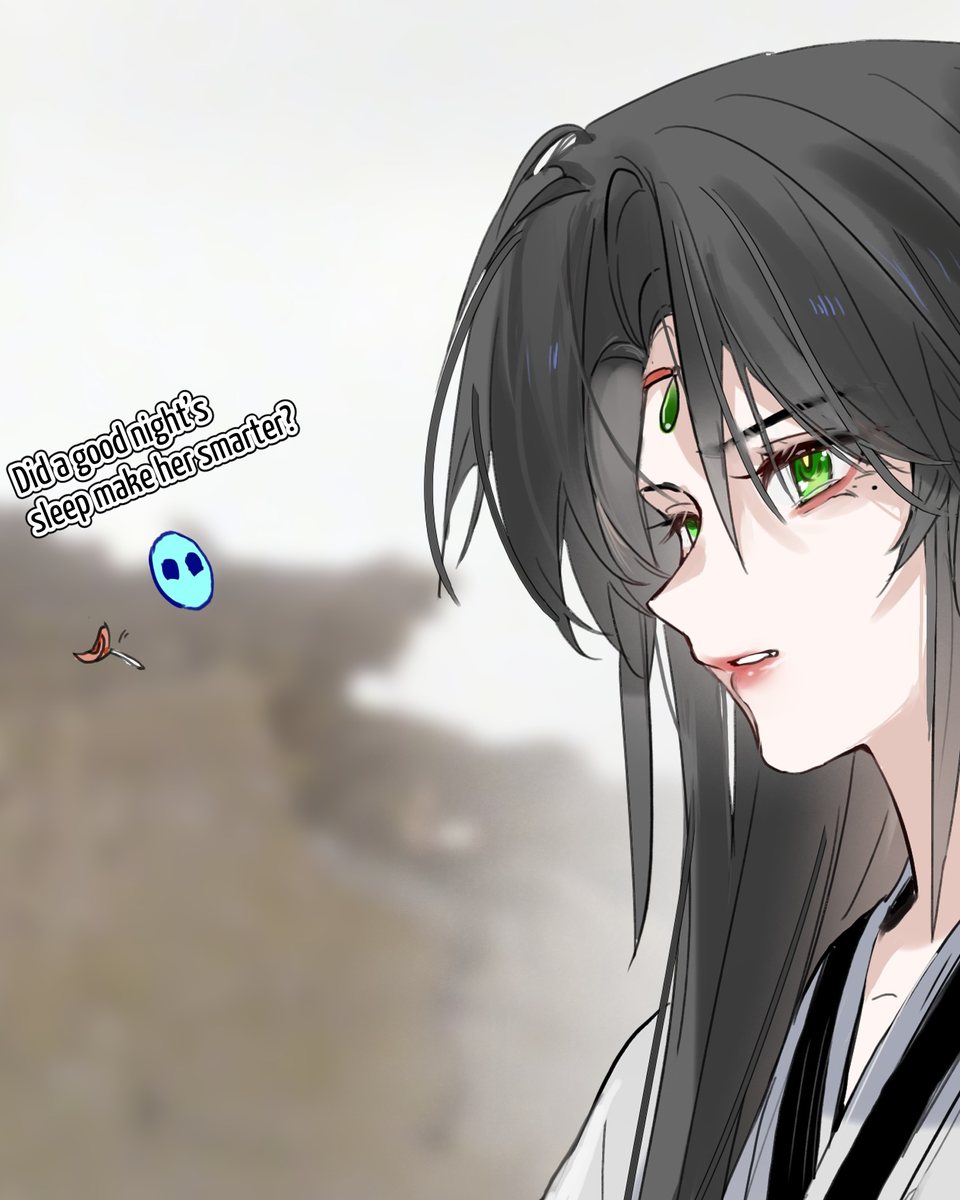
In Have No Fear, Shijie’s Here!, modern doctor Lan Qinghe wakes inside a cultivation novel as a supporting character who shares her name. The hook is not simply that she has gone somewhere strange. She has entered a story with a heroine, an original route, and stakes that begin changing as soon as she arrives.

Chuanshu (穿书), often called “book transmigration,” means entering a world that already exists as a book or authored story—not simply travelling somewhere unfamiliar.
Before the newcomer arrives, it already has a cast, relationships, genre conventions, and an expected plot because it exists as a novel or other authored narrative.
The newcomer enters from outside that narrative and may inherit a body, name, or role already written into its cast. How the crossing happens is secondary.
Its roles and plot expectations shape what the newcomer faces, even when her knowledge is incomplete—and her choices may bend the route she entered.
A familiar companion
Systems are common companions in Chinese web fiction because they make invisible pressures visible: a task can be assigned, a reward promised, or a penalty attached to failure.

The system—Bai Ling—in Have no Fear
01 /
A system turns uncertainty into trackable pressure: a task to complete, a reward to claim, a penalty to avoid, or an interface that names the next move. That clarity organises choices and keeps a serial story moving.
02 /
Chuanshu asks whether someone has entered a story that already existed. A system may explain the crossing, assign a goal, or structure consequences, but remembered plot, inherited relationships, or the storyworld itself can do the same work.
Entry does not come with a complete plot summary. A newcomer may remember the whole route, recognise only a few clues, or know almost nothing useful.
A character can inherit a place in the story without inheriting a reliable account of what happens next.
Some newcomers remember major routes, character fates, or the ending. That knowledge can guide a choice, even though their presence may change the conditions.
Others recognise a premise, a few names, or one danger. They know enough to form expectations, but not enough to predict the whole story.
Some arrive with almost no dependable information. Their new name, relationships, and role still place them inside a story that began before them.
Remembered plot can guide an early decision, but the newcomer’s presence alters the conditions under which the original route once unfolded.
The newcomer is no longer reading from outside. Her choices now belong to the story’s chain of causes and consequences.
Known events, relationships, or character fates provide a provisional sense of what may happen.
A decision made inside the story can change who meets, who survives, and which earlier assumptions still hold.
The original plot remains useful context, but each deviation makes it a weaker guide to what comes next.
Read the pressure, not just the premise
The premise matters because the comic immediately makes its supposed shortcut unreliable.


Lan is not handed a spoiler-filled survival guide. She is handed a name, a heroine to protect, and a story whose route has already begun to move beneath her feet.
That makes the comedy sharper and the stakes more intimate: every time she tries to use the original plot as a shortcut, she has to face the possibility that her own arrival is what invalidated it. Read Chapter 1 for the premise; keep going for the moment the supposed guide stops guiding.
Optional device
Bai Ling gives Lan a clear mission—protect the novel’s heroine—and ties it to the possibility of returning home. The bargain gives Lan a reason to follow the plot before she learns how little control the system actually has.

01 /
Bai Ling has repaired the body Lan wakes in, but the rescue comes with a price: protect Ji Linxue until the story ends. In return, Lan is promised a way home, sudden wealth, and a comic catalogue of perfect luck—from completed webnovels with satisfying endings to first pick of event tickets.
02 /
The promise gives Lan a reason to accept the role, but Bai Ling is an unreliable guide. Transferring Lan’s soul has drained its energy; its incognito mode fails, and it can even be captured. The task stays clear while the support behind it repeatedly breaks down.
Start where the map stops being reliable. Read Chapter 1 to meet Lan, the novel she enters, and the task that makes the original route matter before it starts to change.
Read Chapter 1Short answers for readers comparing book transmigration with neighbouring story labels.
Chuanshu (穿书) literally means “entering a book.” In story discussion, it usually refers to a character entering a world that already exists as a novel or another authored narrative.
Not exactly. Isekai usually highlights travel to another world. Chuanshu highlights that the destination is a story that already existed as a book or narrative. A single work can use both ideas.
No. A protagonist may know the title, premise, a few characters, or much less. In Have No Fear, Shijie’s Here!, Lan cannot treat the original story as a reliable guide.
No. Possession describes inhabiting a body or identity. Chuanshu describes entering a pre-existing story. A story can combine both, as Lan takes the place of a same-named supporting character inside a novel.
No. A system is an optional device that can give tasks, rewards, rules, or abilities. In this comic, Bai Ling supplies that layer, but entering an existing novel is what makes the setup chuanshu.
The original plot is the route that belonged to the story before the newcomer entered it. It can provide expectations or pressure, but it may stop being reliable once the entrant’s choices alter events.
It is a useful explanatory gloss, not a claim that every reader or scholar uses one fixed English term. On this page, “book transmigration” means entry into a pre-existing authored story.
These sources support the comparative language used on this page. They do not turn one comic’s plot devices into a universal taxonomy.
Chuanshu (穿书), often glossed as “entering a book,” is book transmigration: a character enters a storyworld that already exists as a novel or another authored narrative.
In Have No Fear, Shijie’s Here!, modern doctor Lan Qinghe wakes inside a cultivation novel as a supporting character who shares her name. The hook is not simply that she has gone somewhere strange. She has entered a story with a heroine, an original route, and stakes that begin changing as soon as she arrives.

Chuanshu (穿书), often called “book transmigration,” means entering a world that already exists as a book or authored story—not simply travelling somewhere unfamiliar.
Before the newcomer arrives, it already has a cast, relationships, genre conventions, and an expected plot because it exists as a novel or other authored narrative.
The newcomer enters from outside that narrative and may inherit a body, name, or role already written into its cast. How the crossing happens is secondary.
Its roles and plot expectations shape what the newcomer faces, even when her knowledge is incomplete—and her choices may bend the route she entered.
A familiar companion
Systems are common companions in Chinese web fiction because they make invisible pressures visible: a task can be assigned, a reward promised, or a penalty attached to failure.

The system—Bai Ling—in Have no Fear
01 /
A system turns uncertainty into trackable pressure: a task to complete, a reward to claim, a penalty to avoid, or an interface that names the next move. That clarity organises choices and keeps a serial story moving.
02 /
Chuanshu asks whether someone has entered a story that already existed. A system may explain the crossing, assign a goal, or structure consequences, but remembered plot, inherited relationships, or the storyworld itself can do the same work.
Entry does not come with a complete plot summary. A newcomer may remember the whole route, recognise only a few clues, or know almost nothing useful.
A character can inherit a place in the story without inheriting a reliable account of what happens next.
Some newcomers remember major routes, character fates, or the ending. That knowledge can guide a choice, even though their presence may change the conditions.
Others recognise a premise, a few names, or one danger. They know enough to form expectations, but not enough to predict the whole story.
Some arrive with almost no dependable information. Their new name, relationships, and role still place them inside a story that began before them.
Remembered plot can guide an early decision, but the newcomer’s presence alters the conditions under which the original route once unfolded.
The newcomer is no longer reading from outside. Her choices now belong to the story’s chain of causes and consequences.
Known events, relationships, or character fates provide a provisional sense of what may happen.
A decision made inside the story can change who meets, who survives, and which earlier assumptions still hold.
The original plot remains useful context, but each deviation makes it a weaker guide to what comes next.
Read the pressure, not just the premise
The premise matters because the comic immediately makes its supposed shortcut unreliable.


Lan is not handed a spoiler-filled survival guide. She is handed a name, a heroine to protect, and a story whose route has already begun to move beneath her feet.
That makes the comedy sharper and the stakes more intimate: every time she tries to use the original plot as a shortcut, she has to face the possibility that her own arrival is what invalidated it. Read Chapter 1 for the premise; keep going for the moment the supposed guide stops guiding.
Optional device
Bai Ling gives Lan a clear mission—protect the novel’s heroine—and ties it to the possibility of returning home. The bargain gives Lan a reason to follow the plot before she learns how little control the system actually has.

01 /
Bai Ling has repaired the body Lan wakes in, but the rescue comes with a price: protect Ji Linxue until the story ends. In return, Lan is promised a way home, sudden wealth, and a comic catalogue of perfect luck—from completed webnovels with satisfying endings to first pick of event tickets.
02 /
The promise gives Lan a reason to accept the role, but Bai Ling is an unreliable guide. Transferring Lan’s soul has drained its energy; its incognito mode fails, and it can even be captured. The task stays clear while the support behind it repeatedly breaks down.
Start where the map stops being reliable. Read Chapter 1 to meet Lan, the novel she enters, and the task that makes the original route matter before it starts to change.
Read Chapter 1Short answers for readers comparing book transmigration with neighbouring story labels.
Chuanshu (穿书) literally means “entering a book.” In story discussion, it usually refers to a character entering a world that already exists as a novel or another authored narrative.
Not exactly. Isekai usually highlights travel to another world. Chuanshu highlights that the destination is a story that already existed as a book or narrative. A single work can use both ideas.
No. A protagonist may know the title, premise, a few characters, or much less. In Have No Fear, Shijie’s Here!, Lan cannot treat the original story as a reliable guide.
No. Possession describes inhabiting a body or identity. Chuanshu describes entering a pre-existing story. A story can combine both, as Lan takes the place of a same-named supporting character inside a novel.
No. A system is an optional device that can give tasks, rewards, rules, or abilities. In this comic, Bai Ling supplies that layer, but entering an existing novel is what makes the setup chuanshu.
The original plot is the route that belonged to the story before the newcomer entered it. It can provide expectations or pressure, but it may stop being reliable once the entrant’s choices alter events.
It is a useful explanatory gloss, not a claim that every reader or scholar uses one fixed English term. On this page, “book transmigration” means entry into a pre-existing authored story.
These sources support the comparative language used on this page. They do not turn one comic’s plot devices into a universal taxonomy.