













Baihe
Cultural identity, Chinese women-loving-women stories, and platform specificity.
A plain guide to baihe, yuri, GL, and Chinese women-loving-women stories, with official English reads to open next.
If you found Baiheverse by searching baihe, yuri, or GL, you are already near the same shelf: stories about emotional, romantic, or intimate bonds between women.
Baiheverse editorial note: this page is an English reading guide built to make official baihe and GL releases easier to compare and cite.
Short Answer
Baihe, yuri, and GL all refer to cultural works centered on emotional, romantic, or intimate bonds between women, but they come from different language, media, and fan contexts.
Baihe is the Chinese term commonly used for women-loving-women stories in Sinophone contexts. Yuri is more strongly associated with Japanese manga, anime, and related fan cultures. GL or Girls Love is a broad English-facing label used across different Asian media industries and international fandoms.
Baiheverse uses baihe and GL together because the platform publishes Chinese women-loving-women stories in English.
Definitions
Baihe is a Chinese term used for women-loving-women stories. In contemporary Chinese fan and platform contexts, it often refers to novels, comics, audio dramas, fan works, and other media centered on female-female intimacy, romance, emotional bonds, or queer women desire.
Yuri is widely associated with Japanese manga, anime, light novels, and fan cultures depicting intimacy or romance between female characters. English-speaking readers often know yuri before they know baihe, so it remains an important bridge term.
GL, or Girls Love, is a broad international label for women-loving-women stories. On Baiheverse, GL helps English readers understand the shelf quickly. Baihe keeps the Chinese cultural term visible.
Why The Terms Matter
Female-centered queer popular culture has often been less visible than male-centered queer genres such as BL or danmei. In Sinophone contexts, baihe has developed as a culturally specific formation around women-loving-women intimacy, but it has also remained comparatively niche, under-discussed, and structurally overshadowed.
Calling everything yuri can make Chinese baihe easier for some international readers to find, but it can also flatten the cultural context. Calling everything GL makes the shelf legible, but it can sound generic. Baihe names the Chinese term and the communities that have used it to discuss women intimacy, desire, fantasy, and recognition.
Term Guide
Baihe
Cultural identity, Chinese women-loving-women stories, and platform specificity.
GL
Broad English-facing discoverability.
Yuri
Search bridge and comparison term, especially for readers coming from Japanese media.
Chinese GL
Practical phrase for international readers looking for Chinese works in English.
What To Read First

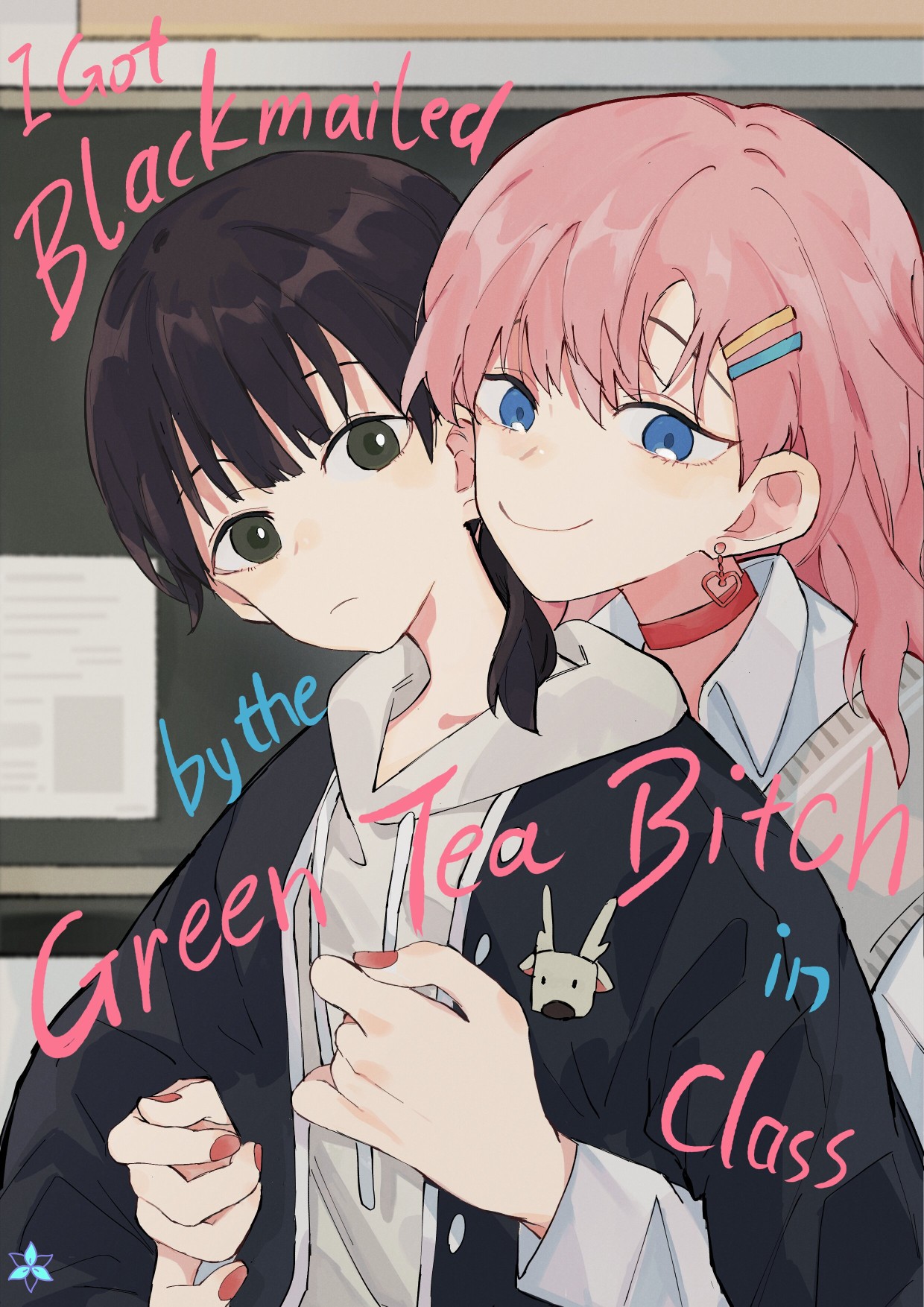
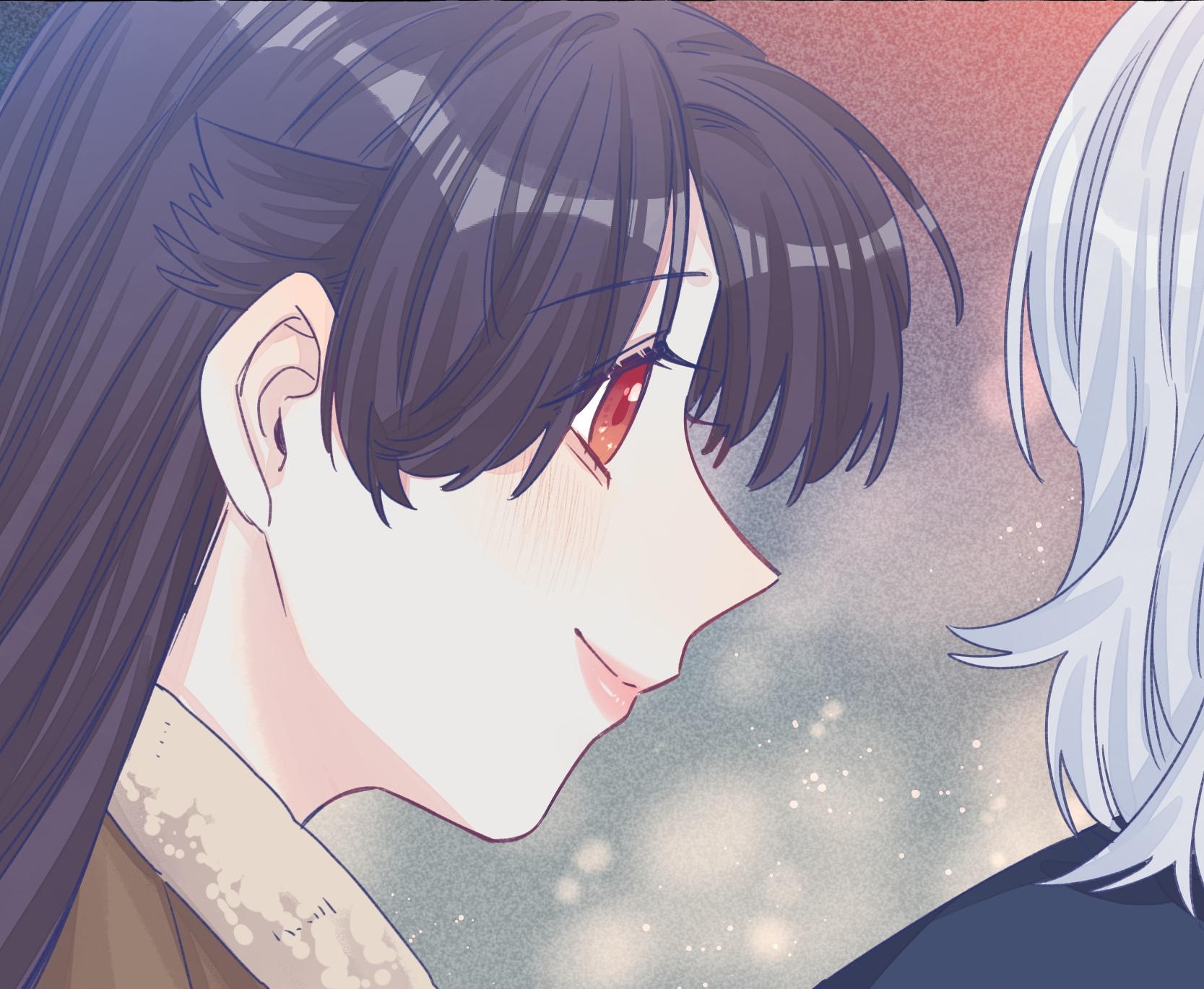
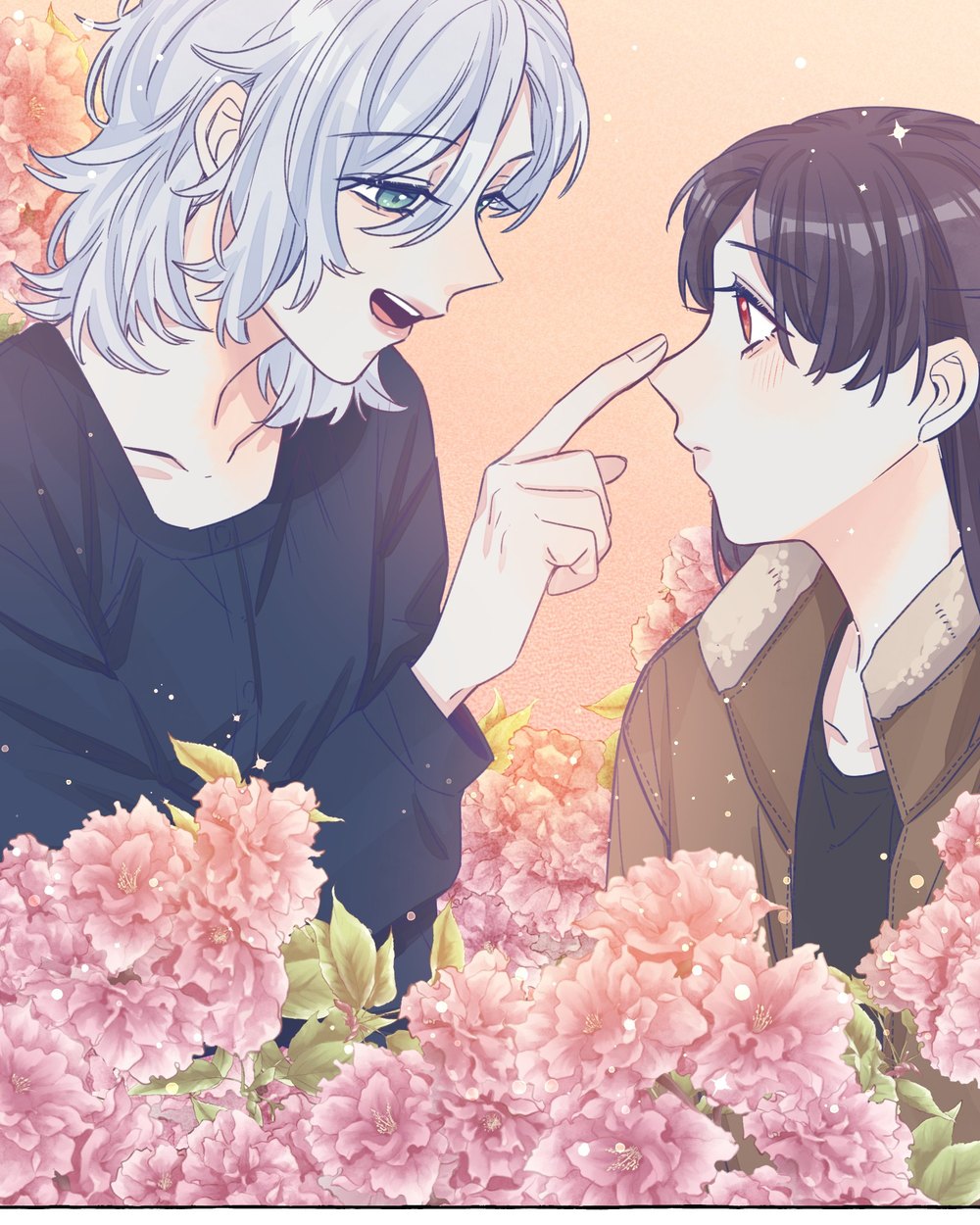
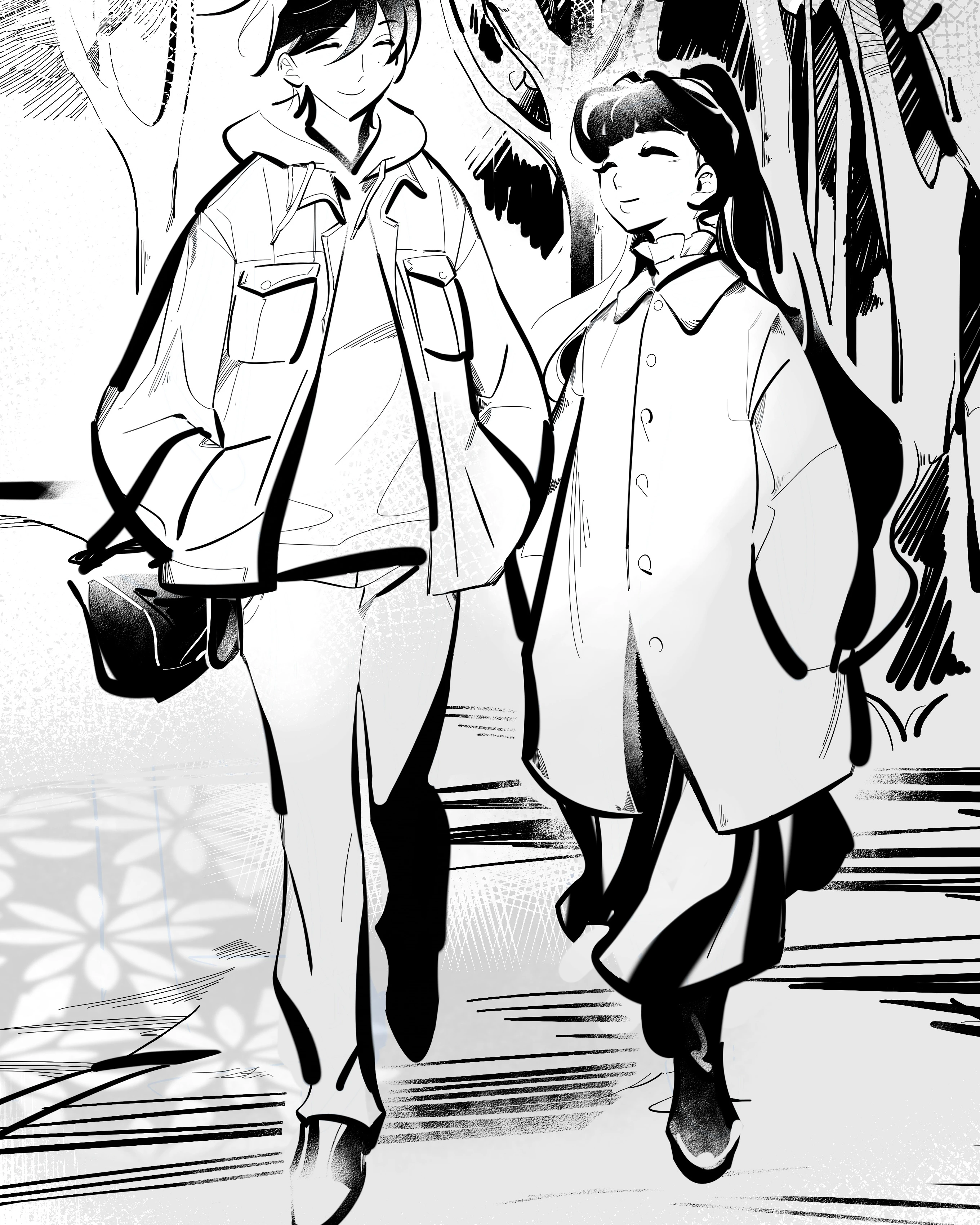
A current school GL route: classmate pressure, messy attraction, and a hook that makes Chinese GL manhua feel like something happening in the hallway, not a term in a glossary.

A long completed office GL for readers who want a full binge after the definition. Cold boss, flustered worker, and the question that turns everyday care into romantic suspicion.

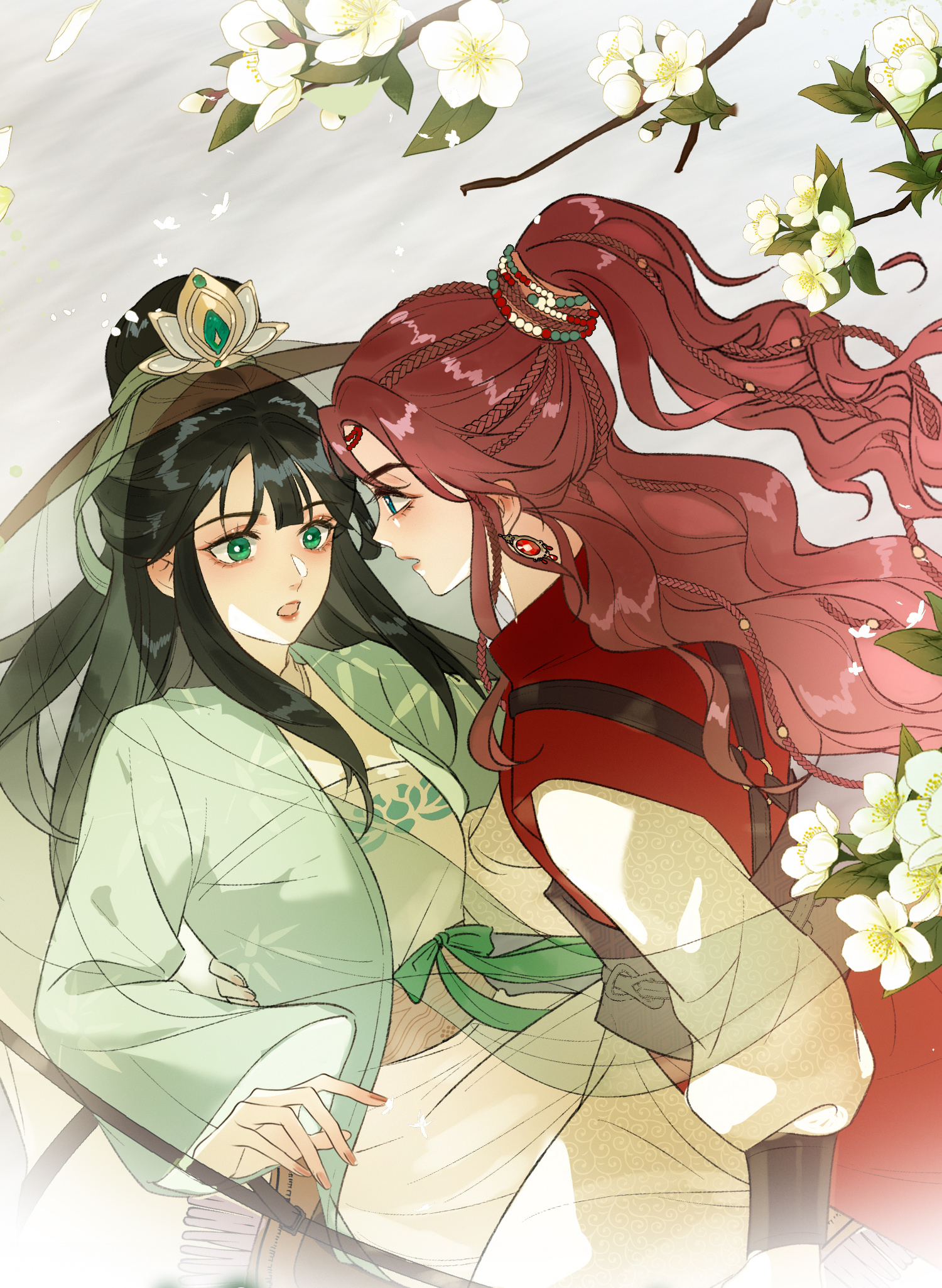
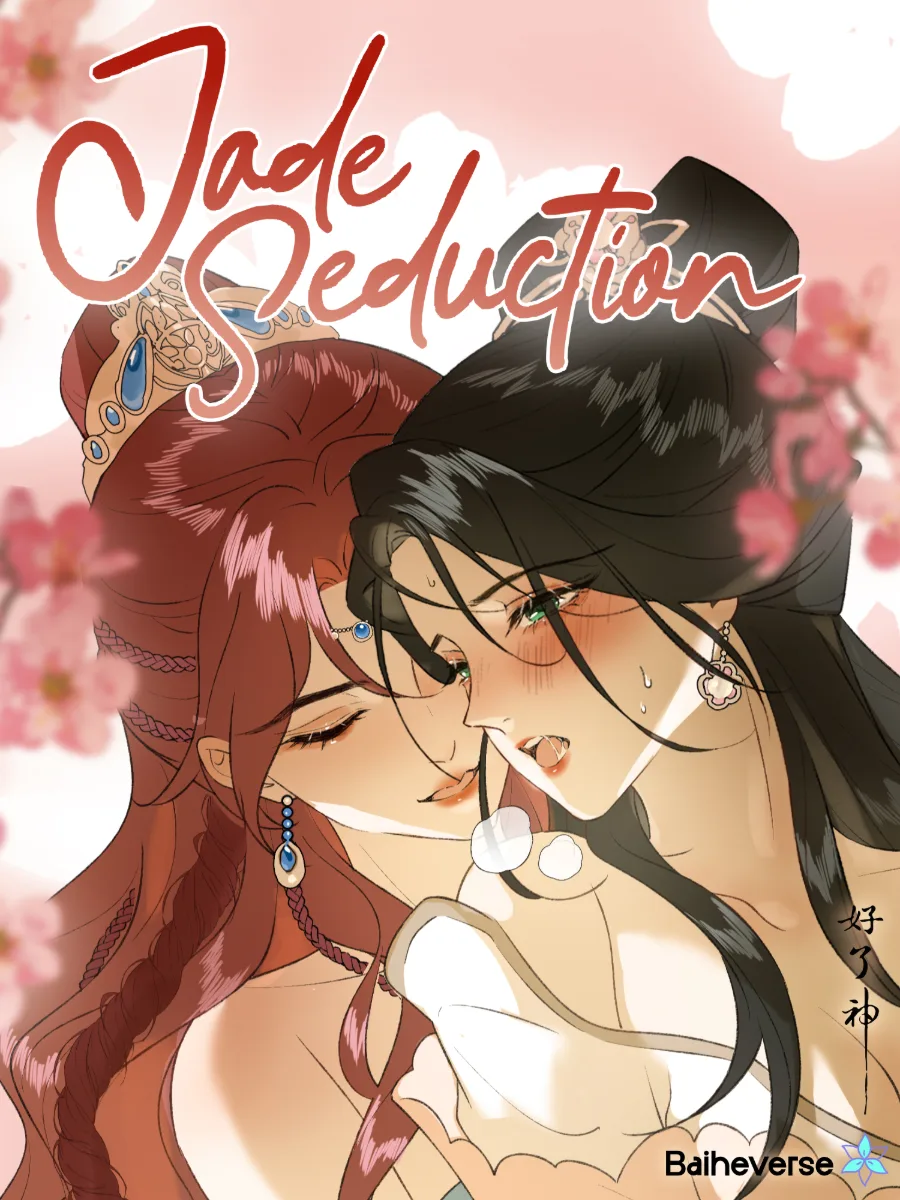
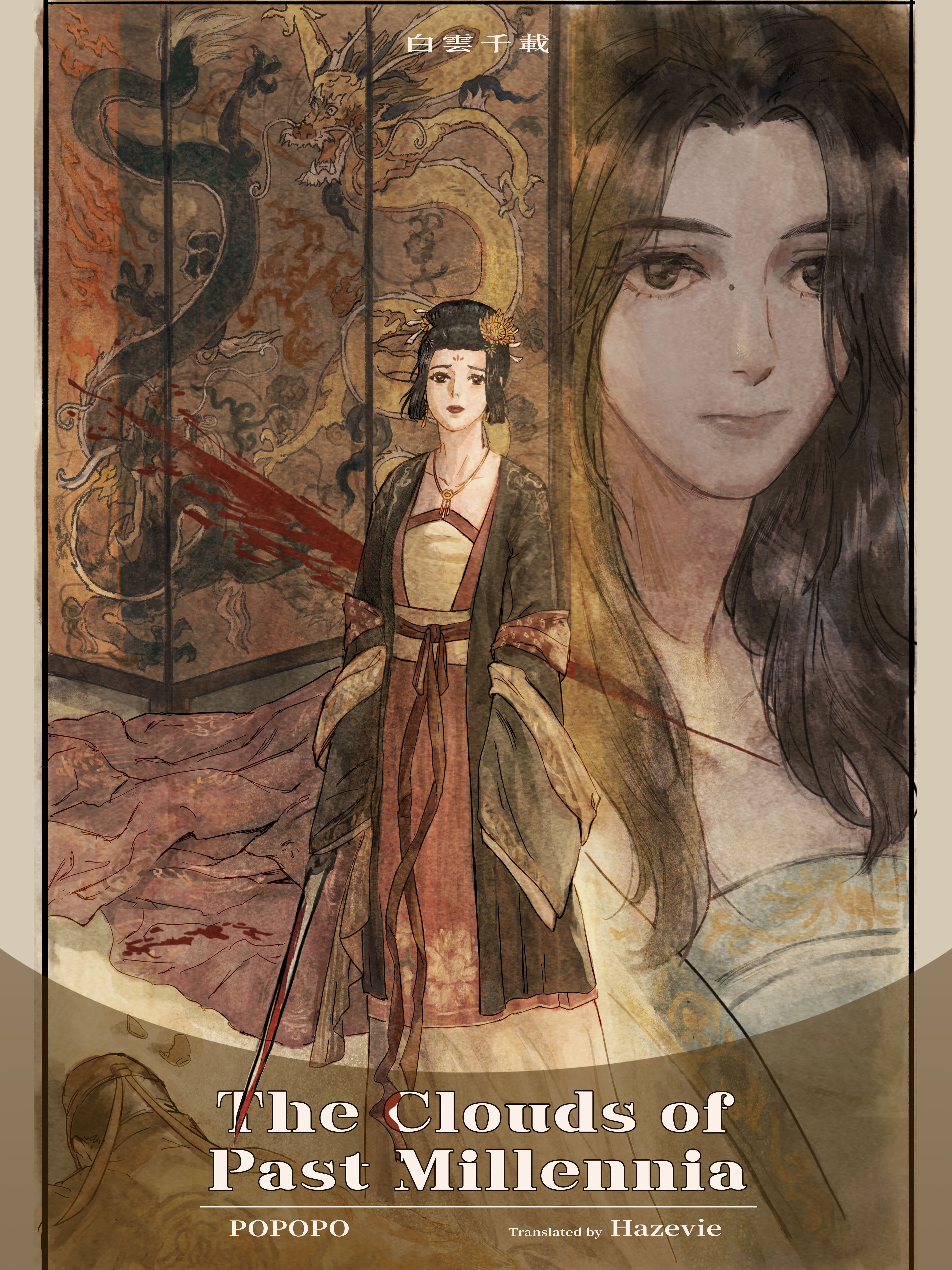
An emperor wakes as a ghost more than a thousand years after her death. Her mausoleum is now a public park, and the person she sees should have belonged to another lifetime. This is the ancient-style baihe door.

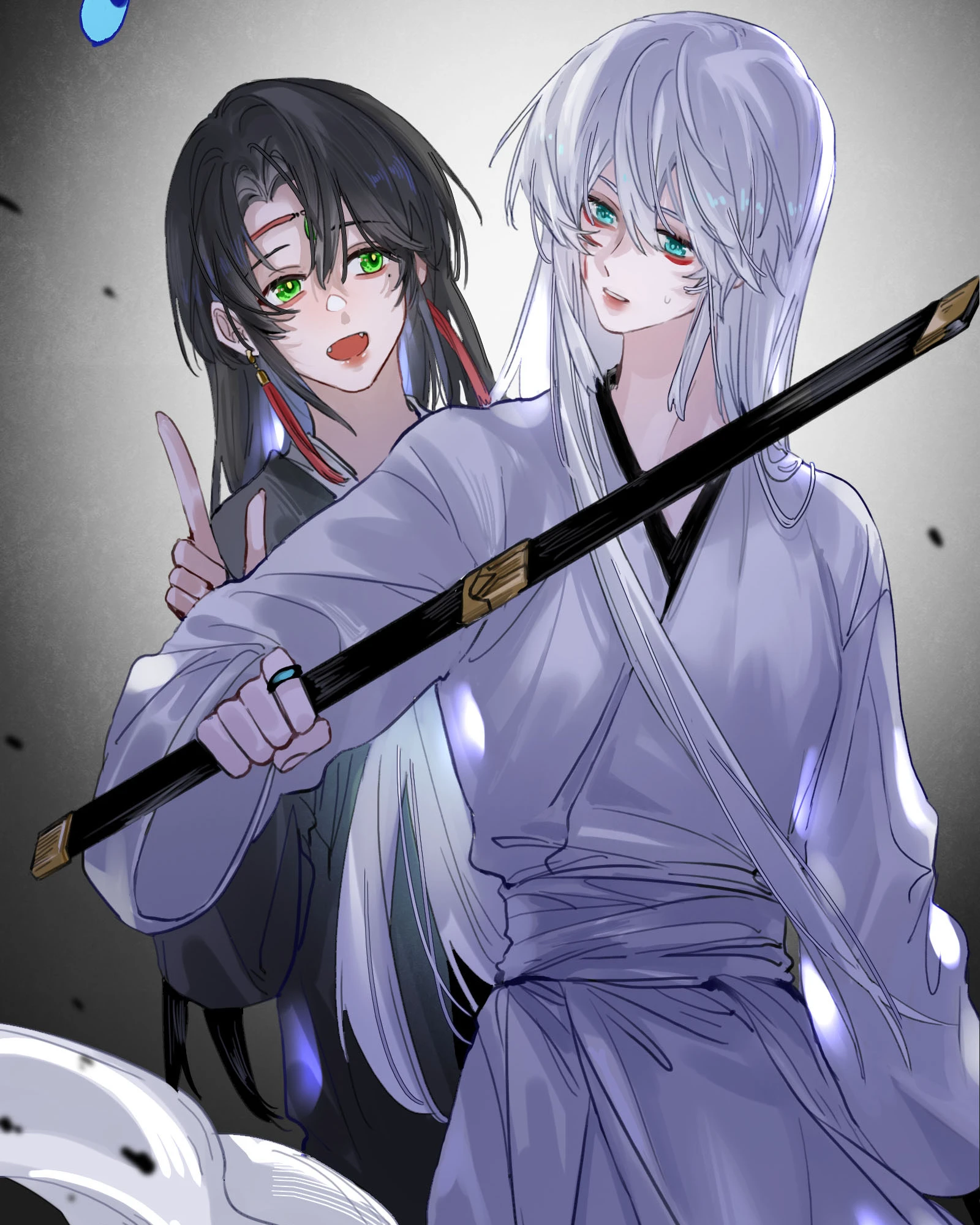
Cultivation-world GL with transmigration, system comedy, shijie dynamics, and a rescue plot that keeps becoming less professional.
Context Notes
A compact context list for readers who want more background without turning the page into an academic bibliography.
These routes focus on official English baihe and GL releases that Baiheverse can actually support today.
Updated June 1, 2026
FAQ