

Start here
Read Baihe Manhua in English
A clean start for official English baihe manhua.
“Green tea bitch” is a gendered Chinese insult for a woman seen as innocent in public and calculating in private.
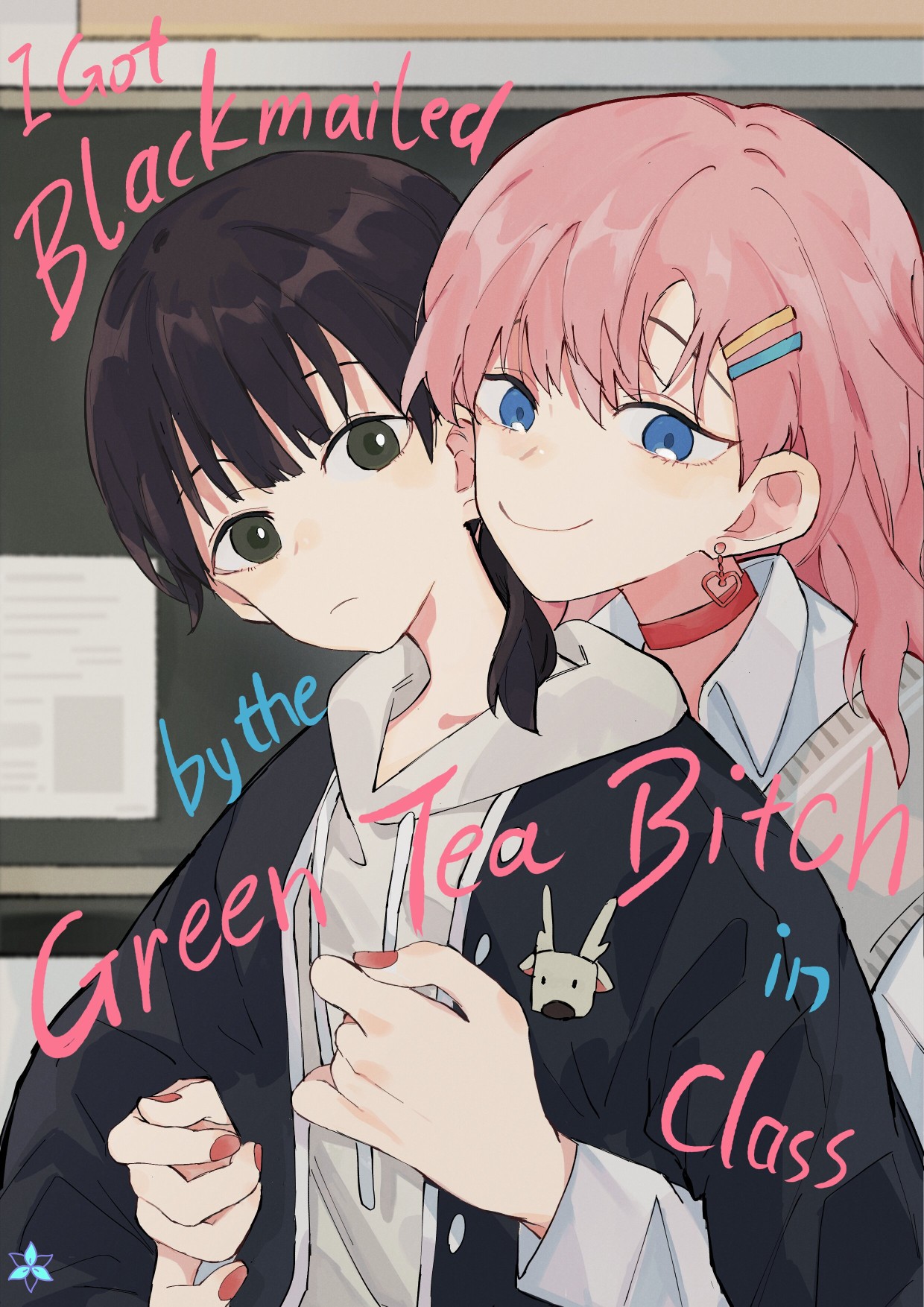
The phrase asks people to distrust ordinary feminine behavior, as though kindness or innocence must conceal a plan. One baihe manhua begins with that suspicion and follows two girls as they learn more about each other than the rumor ever allowed.
The short answer
In Chinese internet slang, lǜchábiǎo (绿茶婊), literally “green tea bitch,” is a misogynistic insult aimed at a woman whose gentle or innocent manner is read as a disguise for calculation, especially when attention, sympathy, or advantage is at stake.
The label treats uncertainty as proof. Kindness becomes performance; vulnerability becomes strategy; a denial can be dismissed as further deception. The insult sticks because it claims access to motives that other people cannot see or verify.
Read the reversal
Tongtong’s bad name makes the threat believable. The photograph that starts it, however, proves nothing.
At school, everyone knows Tongtong as the “green tea bitch.” She spots honors student Lin Luxi entering a hotel with an older man, assumes she has caught a sugar-daddy secret, and demands obedience. Lin panics at first because she thinks Tongtong has discovered that she likes girls.
The man in the photograph is Lin’s father. Lin knows the threat is empty and plays along anyway. That hollow threat gives the story its comic engine: Tongtong tries to act like the schemer people expect while Lin grows curious about Tongtong herself.
In the story
The school’s nickname makes Tongtong’s bluff convincing. Staying close to her reveals how the reputation was made—and what it has cost.

01 /
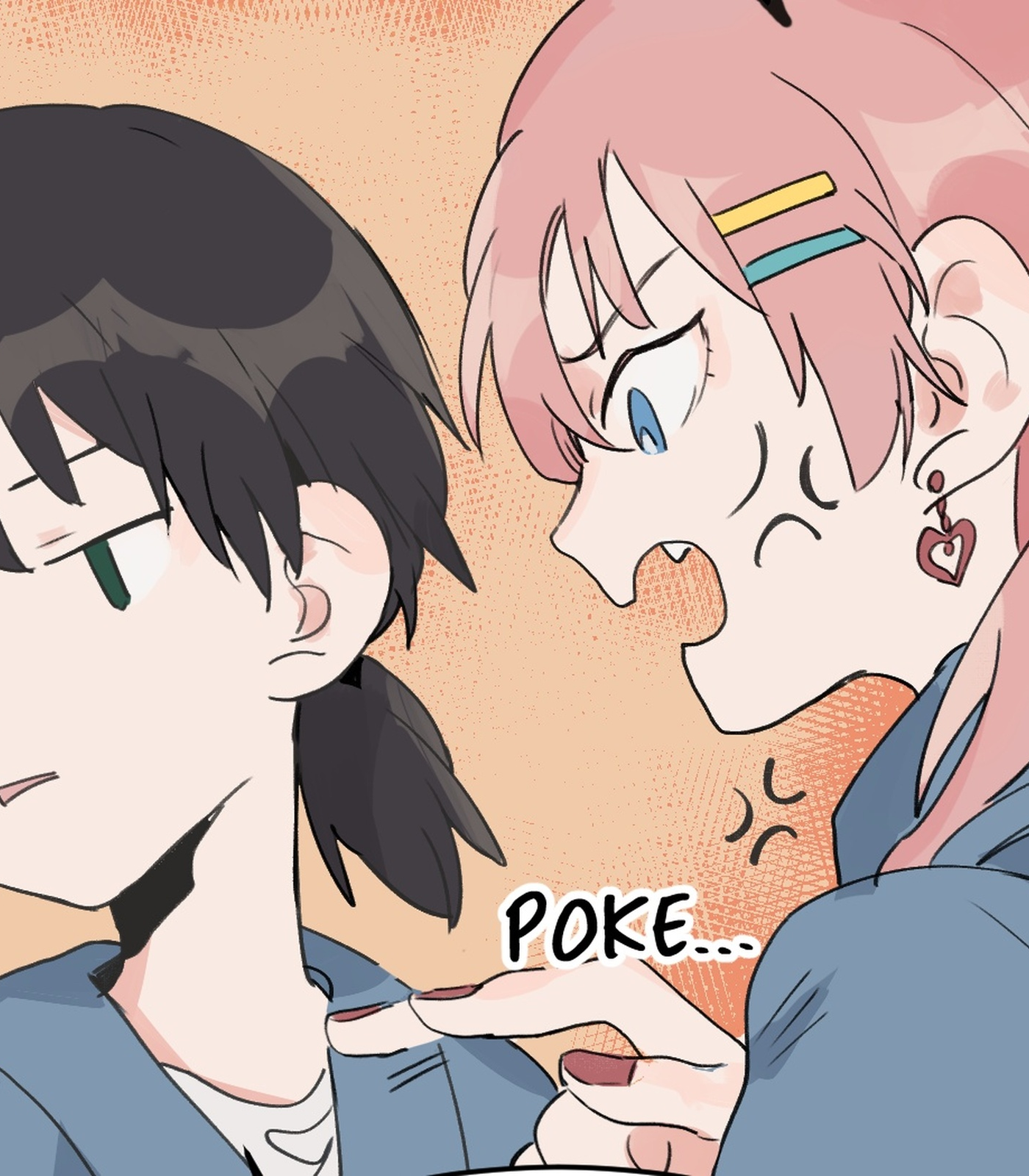
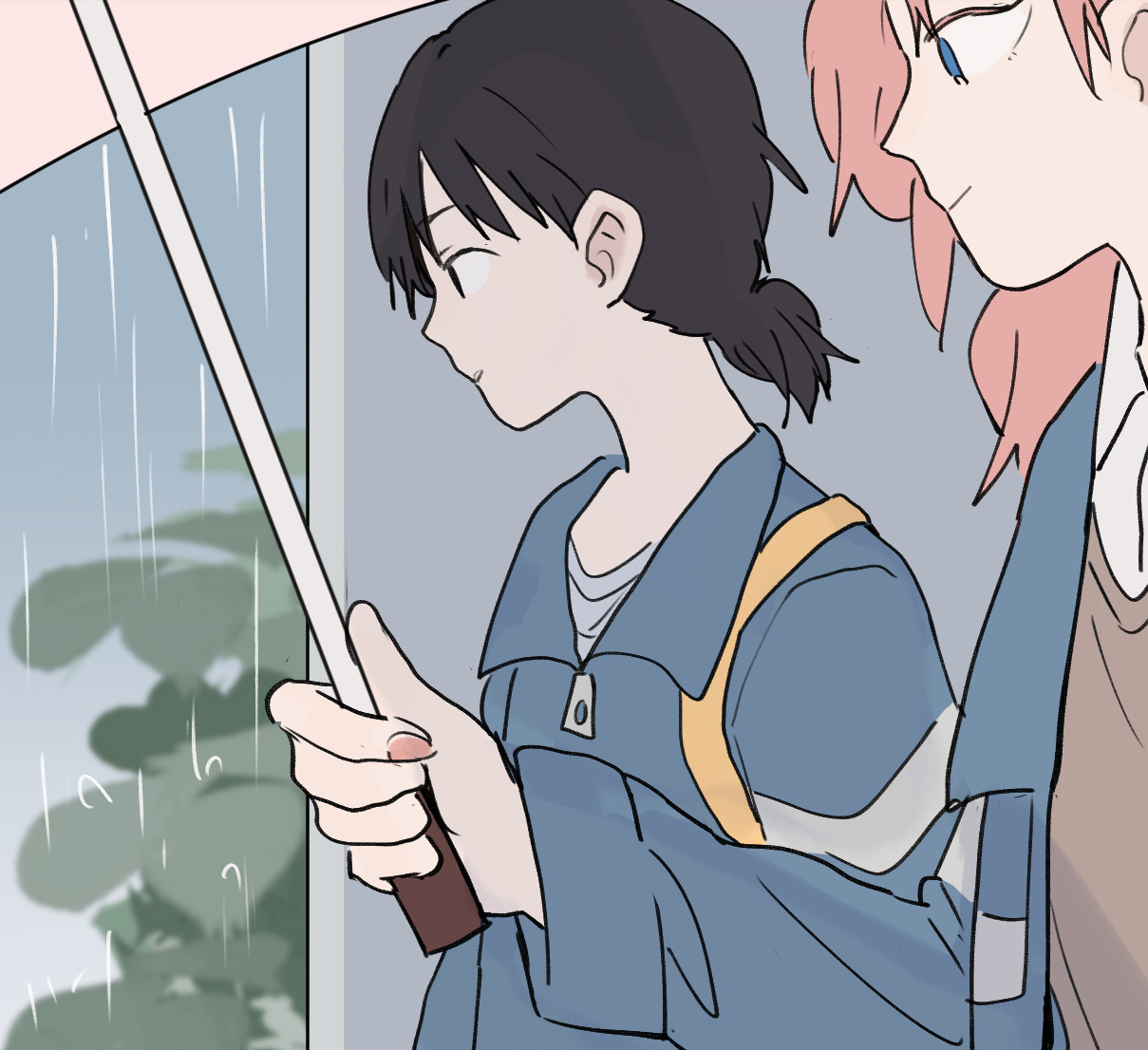
Classmates have already told Lin what kind of girl Tongtong is supposed to be: charming, calculating, and dangerous. Tongtong leans into that image. She crowds Lin’s space, flashes the hotel photograph, and orders her to buy snacks, run errands, and come over at night. Lin knows the evidence is useless, but she keeps playing along. Because she does, the two girls spend time together. The longer this continues, the less Tongtong resembles the mastermind promised by the nickname.
02 /
On her birthday, Tongtong’s “extreme” command is simple: comfort me. She tells Lin that an ex-boyfriend spread stories after she ended their relationship; classmates repeated them, friends withdrew, and “green tea bitch” became her identity at school. Later, Lin reveals that the man in the photograph is her father, then asks whether they can stay friends. Blackmail gives way to a harder question: what does either girl want from this friendship? Tongtong eventually arrives at Lin’s house with groceries and cooks dinner. The threat is over. They keep choosing each other.
Both phrases judge how a woman behaves around attention and approval, often male approval. Their histories and central accusations are different.
| Compare by | Green tea bitch | Pick-me girl |
|---|---|---|
| Core accusation | She is accused of hiding self-interest behind an innocent or gentle public image. | She is accused of seeking male approval by presenting herself as unlike other women. |
| What observers claim to detect | Observers read a harmless image as a cover for calculation, seduction, or self-interest. | Observers read visible approval-seeking, often at other women’s expense. |
| Cultural frame | Chinese online slang shaped by gender, class, and sexual politics. | English-language internet slang rooted in “not like other girls” culture. |
| Where the analogy breaks | The label can be assigned without proof or any explicit pursuit of male attention. | The accusation centers visible approval-seeking; secrecy and a double-faced persona belong to a different charge. |
Shared suspicion, different accusationThe labels can overlap in practice. Treating either one as a translation of the other erases the history carried by each.
From rivalry to baihe
The school has already decided what Tongtong’s femininity means. Lin Luxi’s view changes because she sees what the rumor leaves out.

01 /
“Green tea bitch” turns Tongtong’s femininity into evidence: beauty becomes manipulation, and an ex-boyfriend’s rumor becomes proof. It also casts other girls as rivals or judges. But the supposed sugar daddy is Lin’s father, and the ex never enters the romance. The triangle collapses; Tongtong and Lin remain.
02 /
Lin keeps watching. Tongtong misuses a photograph, cries on her birthday, retreats when friendship feels dangerous, then cooks Lin an apology. None of this makes her spotless. It makes her knowable. As Lin’s view replaces the school’s verdict, their relationship becomes the story.
Meet the girls behind the rumor. Chapter 1 begins with a photograph, a clumsy threat, and two girls who are far less certain about each other than they pretend.
Meet Tongtong in Chapter 1Questions readers ask
No. It is a misogynistic insult suggesting that a woman’s innocent appearance conceals manipulation, sexual ambition, or self-interest. Fiction may quote, criticize, or reclaim the phrase, but it does not become a neutral personality label. Avoid applying it to real people.
The labels overlap around attention and male approval, but their central accusations differ. “Pick-me girl” emphasizes a visible bid to be chosen, often by belittling other women. “Green tea bitch” alleges hidden calculation beneath an innocent image and comes from a specific Chinese online history.
The title names the rumor attached to Tongtong and the kind of story Lin Luxi thinks she has entered. The early chapters test that label against Tongtong’s behavior, turning a hostile school verdict into the beginning of their relationship.
Read the official English edition on Baiheverse. The work page includes the series listing and credits; Chapter 1 opens with Tongtong and Lin Luxi’s first blackmail misunderstanding.