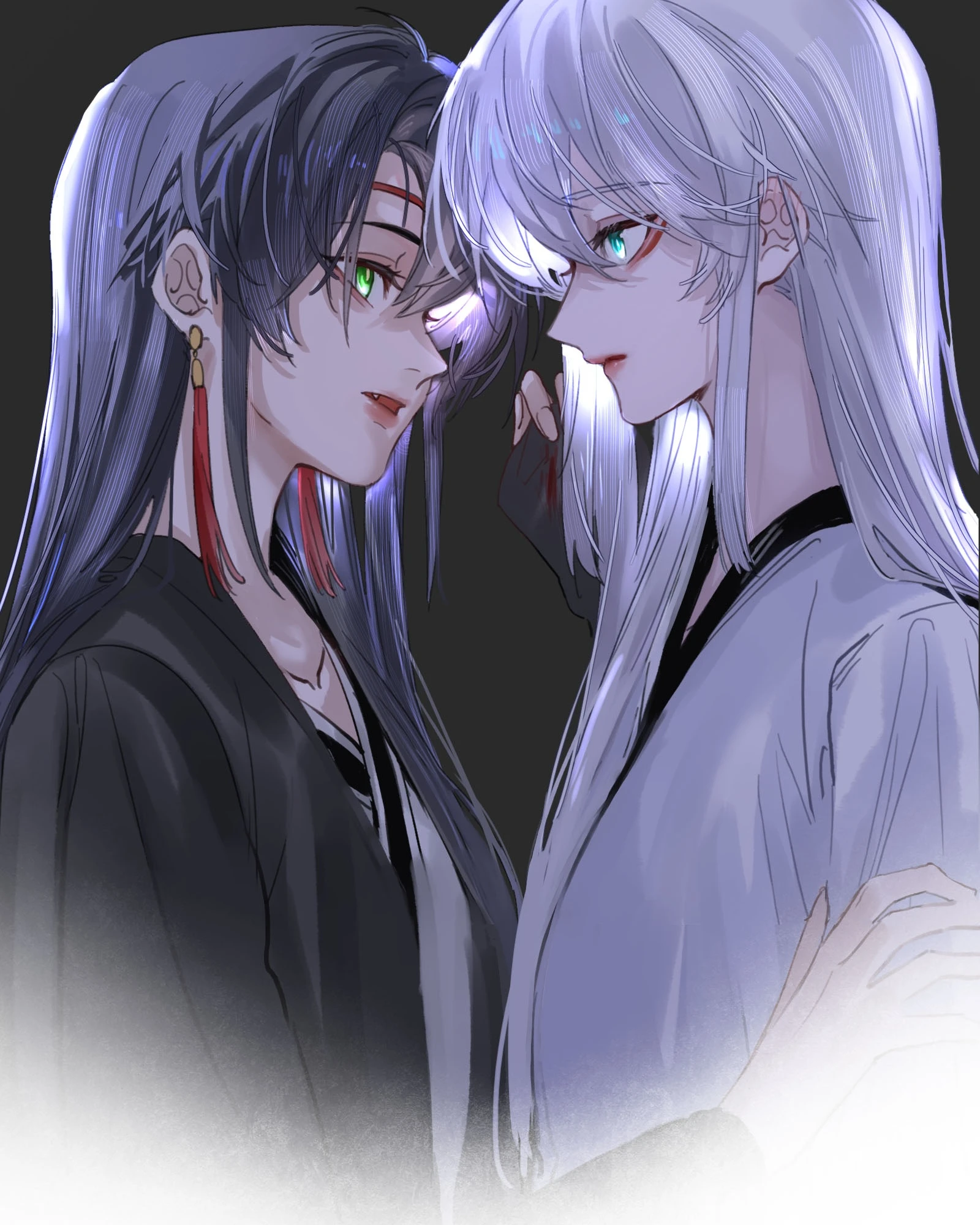
Cultivation explained for GL readers

What Is Xianxia Yuri?

Xianxia yuri is GL fiction in which cultivation changes the body, power, and the future a character can reach.

Its worlds use spiritual energy, realms, sects, techniques, and formations as rules for knowledge, danger, and care—not as ancient-style decoration.

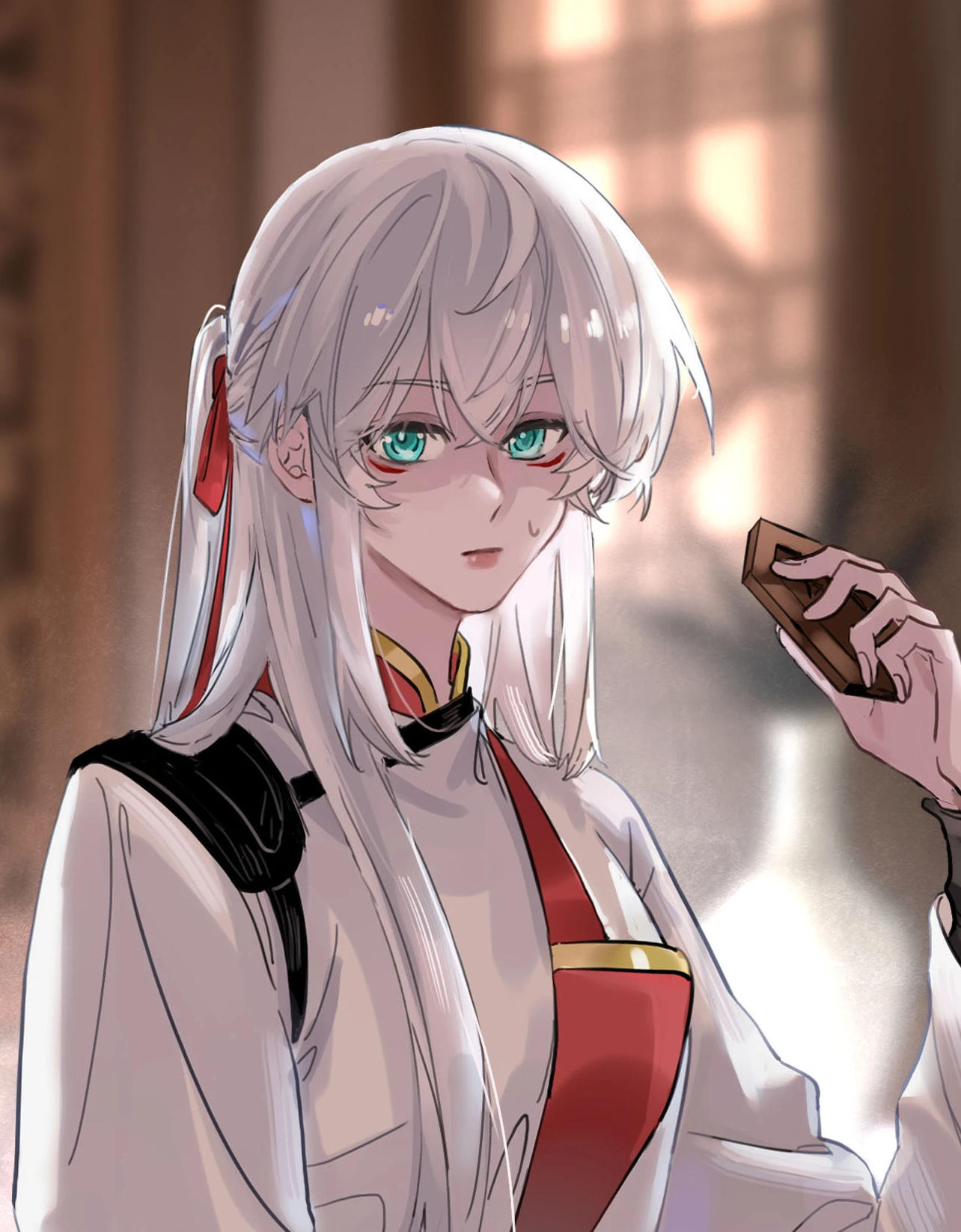
Have No Fear, Shijie's Here! cover
01Cultivation world02GL manhua03Official English

What makes a story xianxia?

Xianxia is Chinese fantasy built around cultivation that refines body, mind, and spiritual energy.

01 /

Cultivation changes the practitioner

Training may refine the body, mind, and spiritual energy until a character can perceive, survive, or accomplish things beyond ordinary human limits. Power is developed through practice, not merely possessed. The result is a power system whose use alters what a person can become.

02 /

Progress has thresholds

Realms and breakthroughs make differences in ability legible. Their names and order vary from work to work, so readers should follow the system a story actually states rather than import a universal ladder. A breakthrough can also change what risks or responsibilities a character may face.

03 /

Sects make power social

A sect can organize teachers, techniques, resources, reputation, and dangerous assignments. Cultivation therefore affects institutions and access to knowledge, not only the strength of an individual fighter. It also determines who is recognized as qualified to act or speak.

04 /

Transcendence changes the horizon

Longer life, immortality, ascension, or other transformation often gives cultivation its direction. Not every story shares the same destination, but ordinary human limits are no longer fixed. Mortality, time, and ambition therefore enter the story’s stakes.

Swords, robes, mountains, and historical-looking architecture can appear in xianxia, wuxia, or other fantasy. What makes xianxia the useful label is not costume but a cultivation system that changes bodies, hierarchy, risk, and the limits of the possible.

How does xianxia differ from wuxia and magic-school fantasy?

All three can feature swords, teachers, rival groups, and supernatural abilities. The clearest differences are how power is learned, how far it can transform a person, and what kinds of duty and belonging their institutions create.

Compare byXianxiaWuxiaMagic-school fantasy
How power developsCultivation refines spiritual energy through techniques, meditation, combat, and breakthroughs.Martial training, discipline, and inner force sharpen a practitioner’s ability.Spells, magical aptitude, lessons, and curriculum organize how magic is learned.
What happens to human limitsBreakthroughs may transform the body, extend life, enable flight, or open a path toward transcendence.Skill may become extraordinary, but the tradition usually remains oriented toward martial life and human society.Magic expands what characters can do, but need not depend on self-cultivation or transcendence.
What an institution doesSects distribute teaching, techniques, resources, status, and access to missions or restricted places.Schools, clans, and jianghu ties organize loyalty, rivalry, travel, and conflict.Schools commonly organize classes, houses, rules, and access to magical knowledge.
What changes a relationshipUnequal realms and knowledge affect who can teach, protect, advance, or take a risk.Honour, loyalty, rivalry, and martial obligations press on a relationship.Shared lessons, friendship groups, competition, and school rules shape a relationship.

Each tradition has a different centre of gravity: cultivation and transcendence in xianxia, martial skill and the jianghu in wuxia, and formal magical education in magic-school fantasy. Ancient-style visuals can overlap; the power system and institutions reveal how the world works.

A worked example

Meet a cultivation world through Shijie

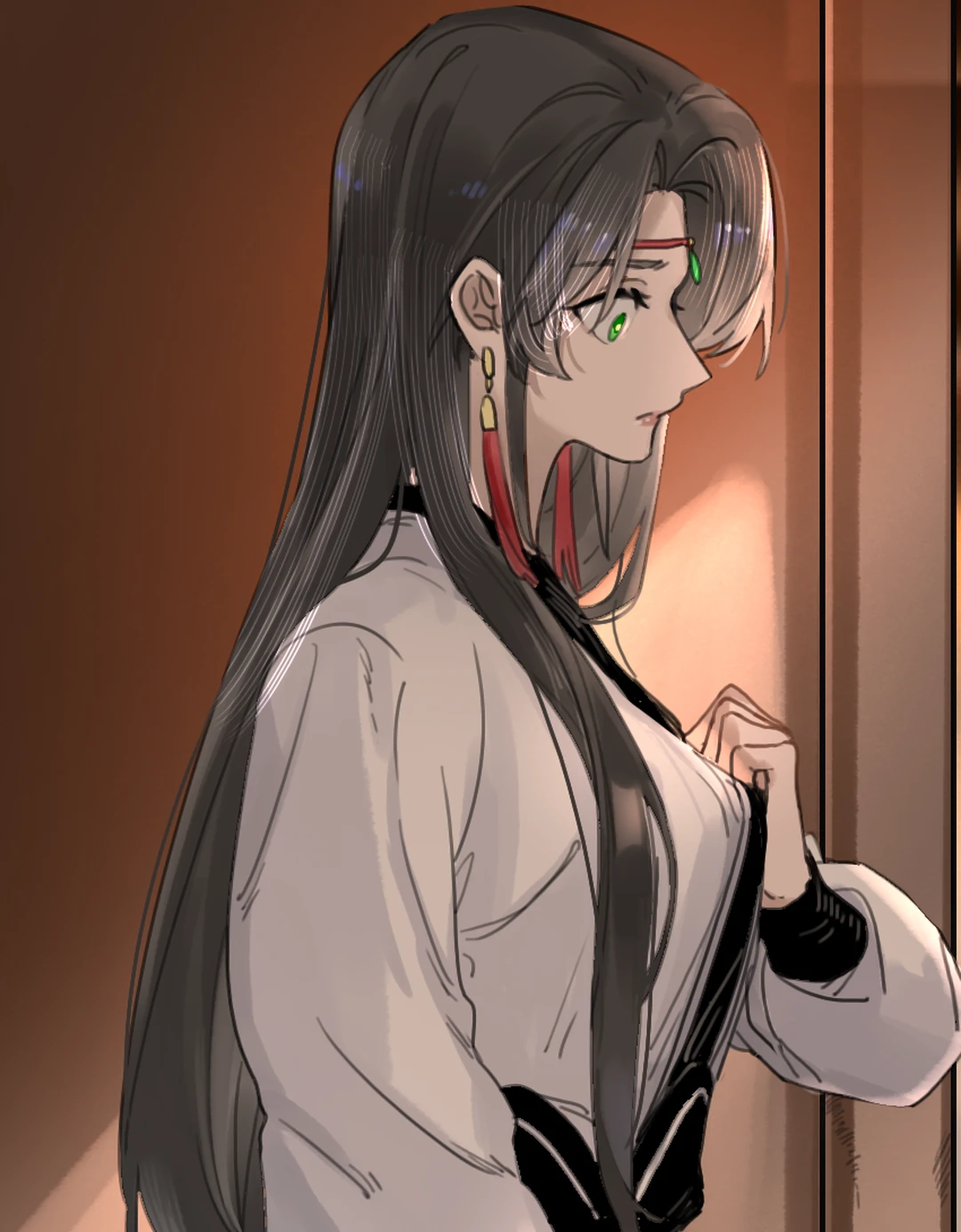
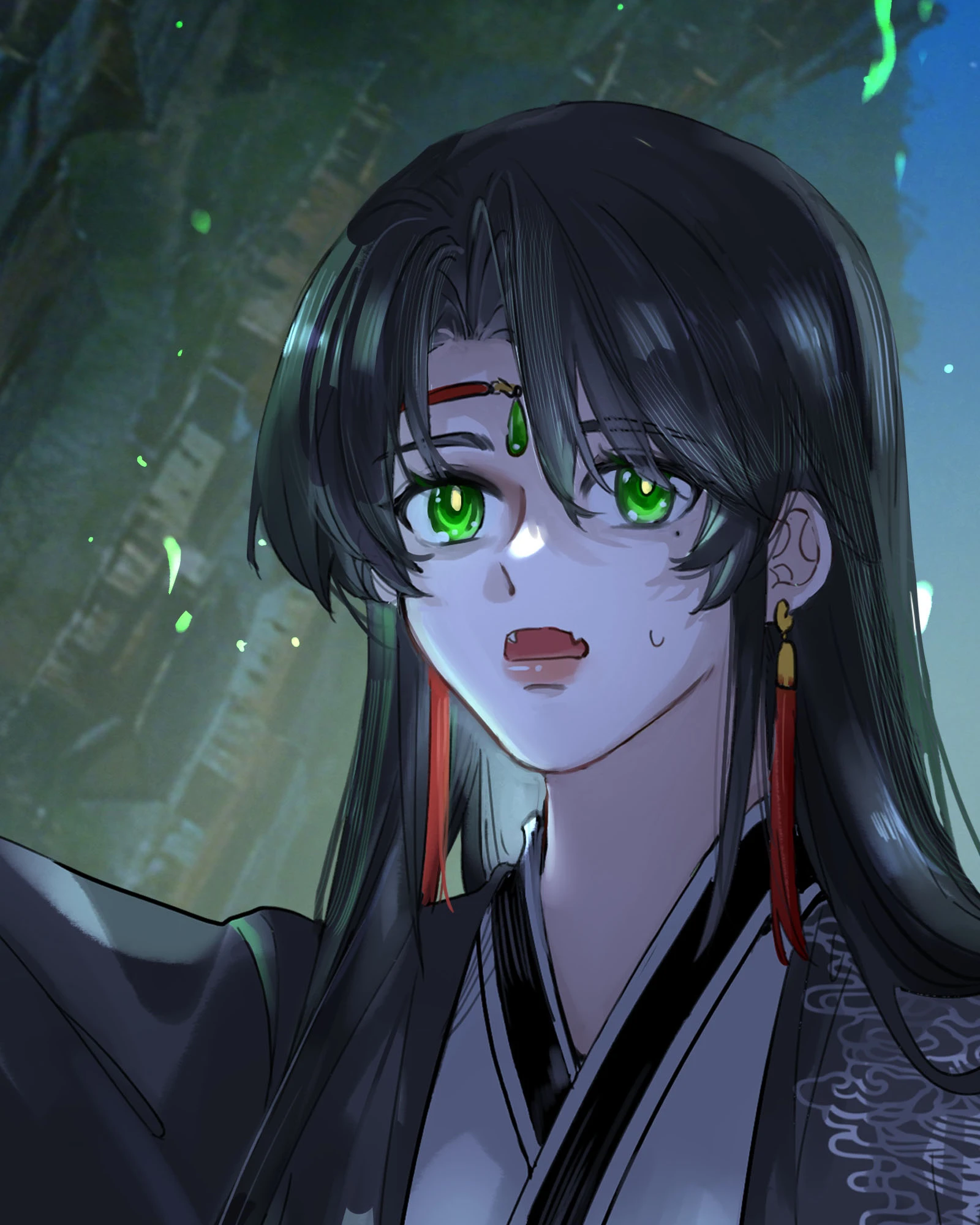
Rather than treating one series as a universal model, this page uses Have No Fear, Shijie’s Here! to show how cultivation rules become readable in a GL story.

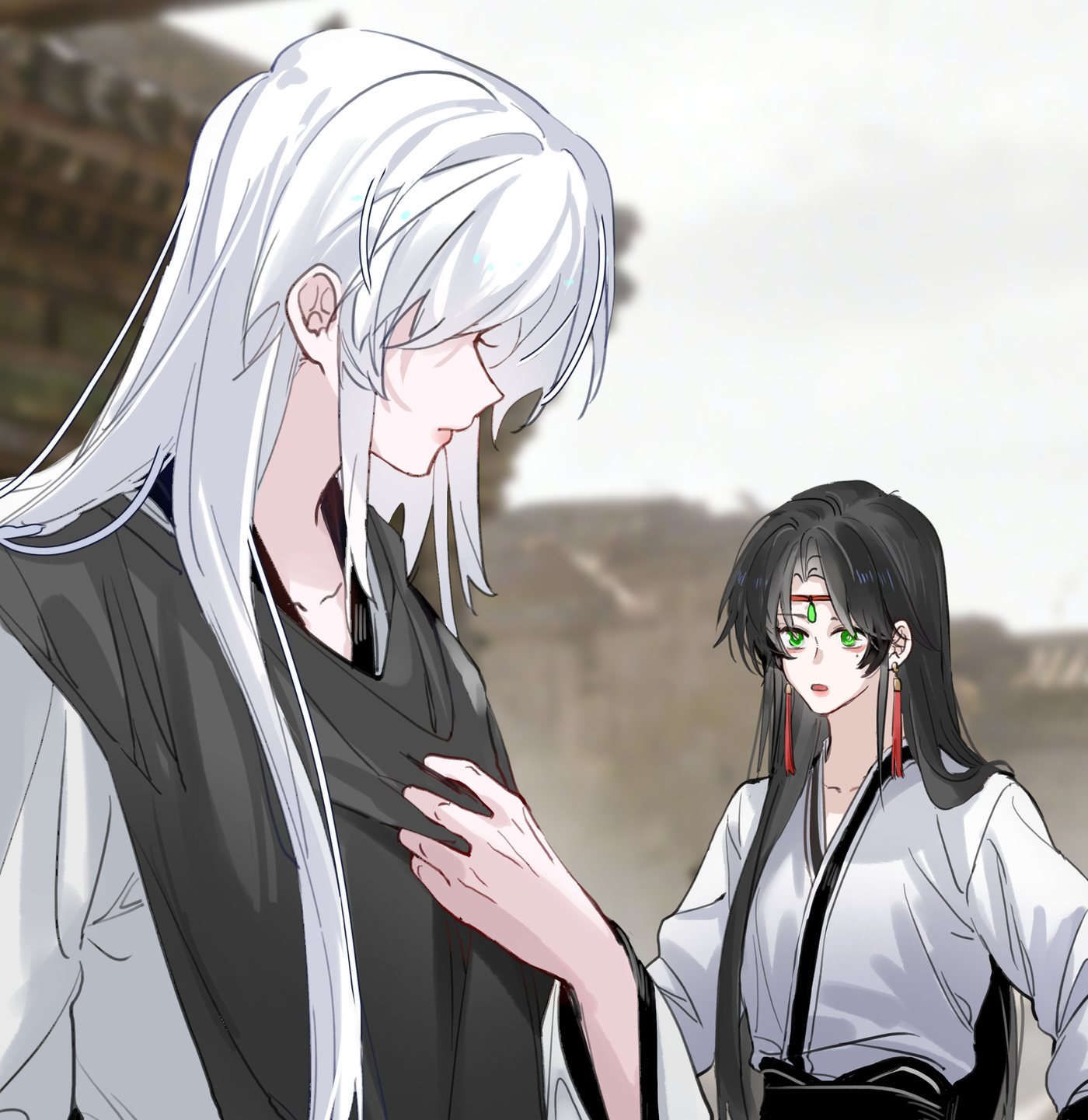
A shijie guides spiritual energy to heal her shimei.
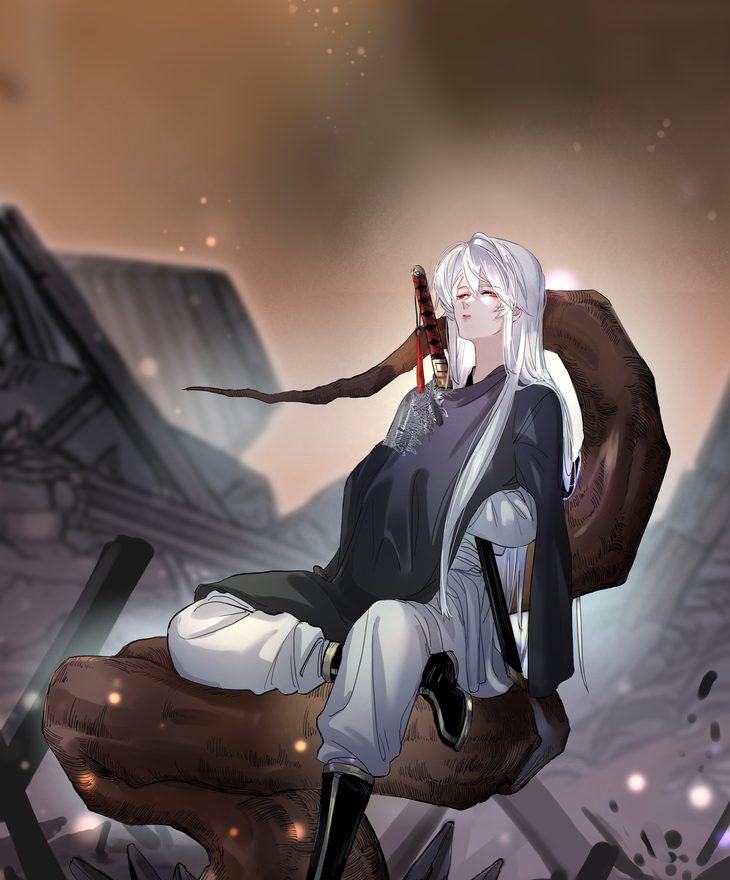
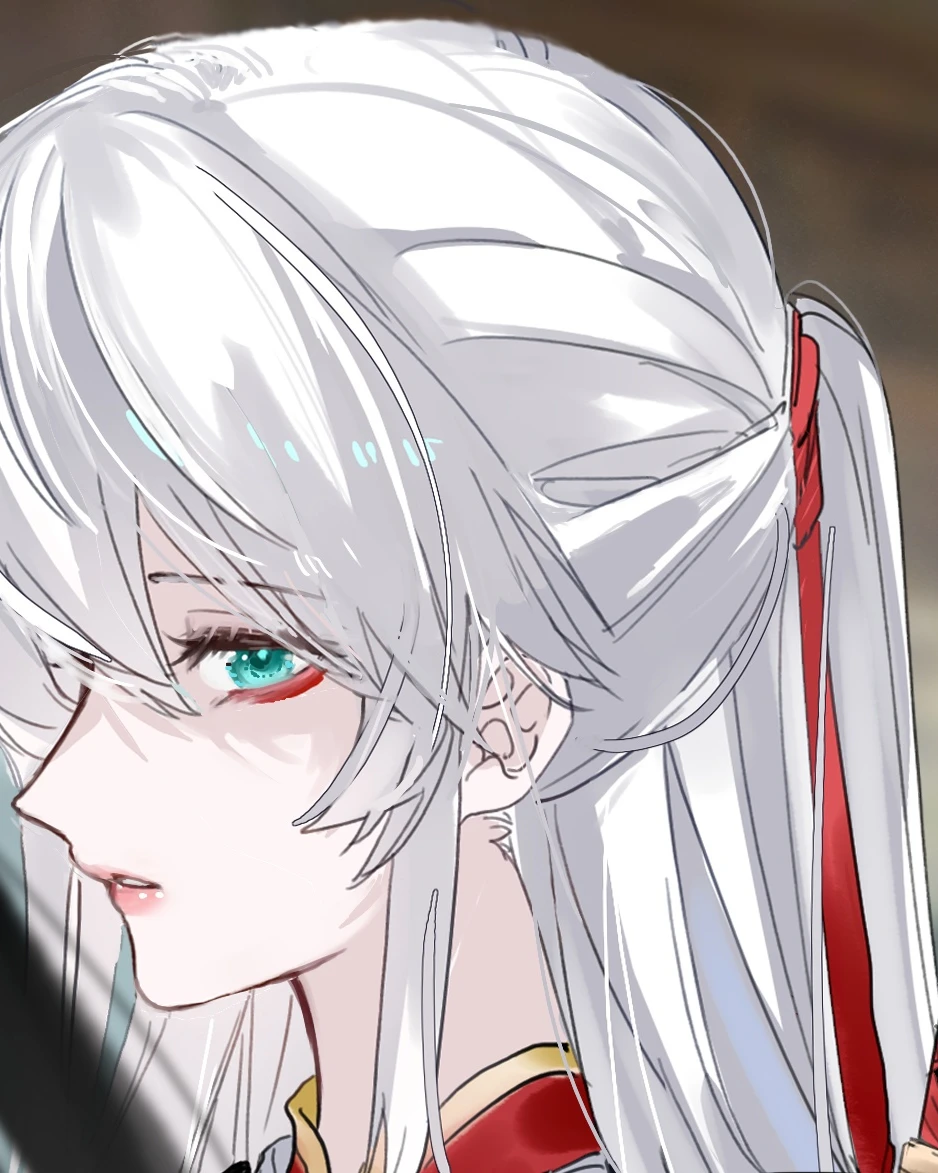
A white-haired shijie raises her sword to protect her shimei.

Have No Fear, Shijie's Here!

Lan Qinghe wakes inside a cultivation novel and enters the world of Xuanqing Sect. The story does not stop for a glossary: readers learn its rules as Lan encounters spiritual energy, damaged meridians, school reputations, formations, and differences in cultivation level.

That makes Shijie a useful worked example, not a final definition of the genre. Its confirmed English chapters show cultivation determining who can act, who recognizes a danger, and why Ji Linxue’s instruction and protection carry practical weight for Lan.

Cultivation-world GLTransmigrationOfficial English

How does a cultivation sect organize power?

A cultivation sect makes training collective. It preserves techniques, gives affiliation a public name, and assigns dangerous work through a hierarchy. Xuanqing Sect shows these functions without yet revealing a complete internal rulebook.

One sect. Five schools.

Xuanqing Sect makes cultivation social: knowledge is taught, school names carry reputation, and assignments send disciples into danger.

Knowledge is taught

Cultivation techniques are not automatically understood. Ji guides Lan’s wood-root senses until she locates the hidden path. The scene shows that guidance tells a cultivator what to notice and turns an unfamiliar ability into usable action.

Affiliation has a name

The English release names five schools within Xuanqing Sect: Xingyun Peak, Fuling Peak, Huayan Peak, Tianxing Peak, and Bailian Peak. Those affiliations give cultivators a public identity before the story explains each school’s internal role or how its members differ from the others.

Reputation works locally

An innkeeper recognizes Xingyun Peak after failing to recognize Xuanqing Sect. The scene shows that a school name can carry more weight in everyday life than the umbrella institution.

Assignments distribute risk

Li Xingyun and Yu Yan accept a sect assignment to find missing children, then face a threat above their stated level. The scene shows how a sect’s hierarchy sends cultivators into danger.

Rules with consequences

Cultivation changes what a character can risk

Cultivation is not decorative magic. In Shijie, it changes what bodies can withstand, lets readers measure danger through realm gaps, and makes instruction part of action.

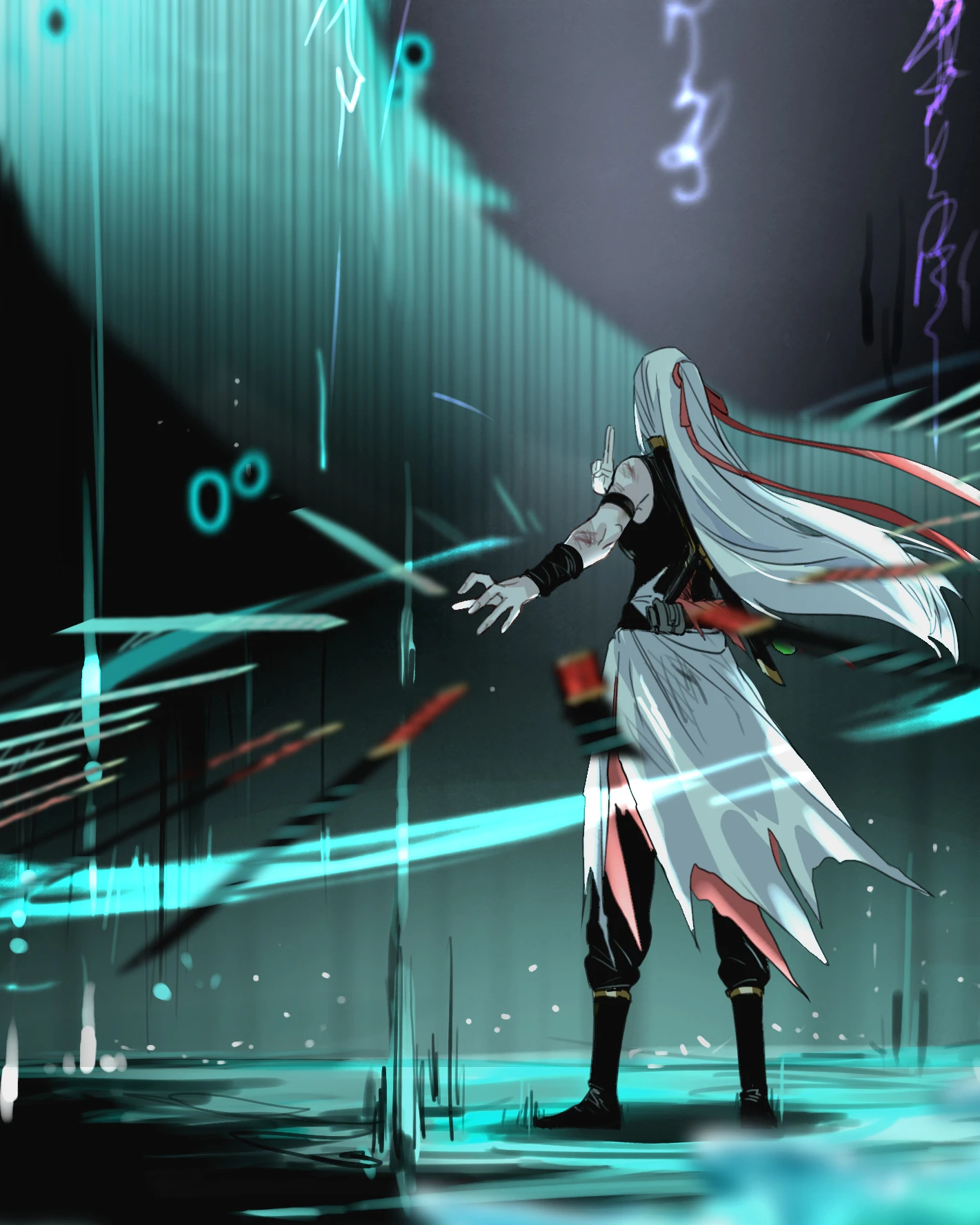
A white-haired cultivator grips a sword as blue energy flares around her arm.
A descending foot lands amid a forceful impact and broken ground.

01 /

Power has bodily limits

Lan’s misuse of spiritual energy damages her meridians, and further attacks worsen the injury. Cultivation therefore has a bodily cost: power can injure its user when control fails. The chapter also makes restraint and treatment part of cultivation practice, rather than a detour from it. Control is a condition of survival, not just mastery. The injury narrows what Lan can safely attempt next.

02 /

Realm gaps make danger legible

Li Xingyun and Yu Yan are at Foundation Building when they meet a formation that requires at least Core Formation to hide a village. The named gap makes danger legible: readers know the assignment is abnormal before they know who created it or why. The realm system tells readers the threat’s scale before the plot explains it. Here, realm names work as practical warnings rather than decoration.

03 /

Ji helps Lan recognize spiritual energy before she acts again. Her instruction turns unfamiliar power into safer action, making knowledge as important as strength.

Why does cultivation matter to the relationship in Shijie?

Cultivation does not make a story romantic or queer by itself. In Shijie, Ji diagnoses Lan’s injuries, limits further harm, and teaches safer control. Care takes the form of instruction, relief, and responsibility for recovery.

Cultivation gives care a practical form.

Two scenes show Ji using cultivation knowledge to correct, treat, and protect Lan.

“Remember how it felt to use your spiritual energy…”

After Lan helps reveal the hidden path, Ji tells her to remember the sensation and avoid passing out again. The line is partly correction and partly protection: Ji gives Lan knowledge she can use the next time her own power exceeds her control.

“I’ll use my spiritual energy to relieve it for now.”

When Lan’s meridians are damaged, Ji identifies the problem, tells her not to waste more spiritual energy, temporarily relieves the pain with her own power, and arranges further treatment. Cultivation knowledge becomes diagnosis, restraint, pain relief, and responsibility for recovery.

Enter Xuanqing Sect with Lan Qinghe. Start Chapter 1 and meet its cultivation world through Lan and Ji.

Read Chapter 1

Xianxia Yuri FAQ

Every work has its own cultivation grammar. Read the rules it gives you, then follow what those rules change for the characters.

01 /What is xianxia yuri?

Xianxia yuri is yuri or GL fiction set in a cultivation world. Cultivation may involve spiritual energy, realms, sects, techniques, formations, and a horizon beyond ordinary human limits. Each work supplies its own rules, relationship dynamics, and degree of xianxia influence.

02 /What does cultivation mean in xianxia?

In xianxia, cultivation is the disciplined practice through which characters refine body, mind, and spiritual energy. It can change what they can perceive, survive, or attempt. The names and order of realms vary by work, so a story’s own system matters more than a universal ladder.

03 /How is xianxia different from wuxia?

Wuxia and xianxia share literary history and can overlap. Wuxia usually foregrounds martial life, jianghu ties, and human-scale conflict; xianxia more often foregrounds cultivation, breakthroughs, transformed limits, and institutions built around spiritual practice.

04 /Is every ancient-looking Chinese fantasy xianxia?

No. Ancient-looking costume, architecture, or historical language can appear in xianxia, wuxia, and other fantasies. Look for the work’s stated power system: cultivation, realms, sects, formations, and changed human limits make xianxia the more useful label.

05 /What does a cultivation sect do?

A cultivation sect can organize teaching, techniques, affiliation, reputation, resources, and dangerous assignments. Its exact structure varies by story. In Shijie, Xuanqing Sect is made up of five named schools whose public reputations do not always match the name of the wider sect.

06 /What do Foundation Building and Core Formation mean in Shijie?

In Shijie, Foundation Building and Core Formation mark a gap in cultivation ability. Chapter 7 says the assignment reaches Foundation Building disciples, while hiding an entire village underground requires at least Core Formation. This establishes an abnormal risk, not a complete universal realm chart.

07 /Is Have No Fear, Shijie’s Here! a xianxia yuri manhua?

Have No Fear, Shijie’s Here! is best described here as a xianxia-flavoured cultivation-world transmigration GL manhua. The page uses xianxia yuri as a reader search entry, while recognizing that one work does not define the whole genre.

08 /Where can I read the official English release?

You can read the official English release of Have No Fear, Shijie’s Here! on Baiheverse. Start with Chapter 1 from the page’s reading link, then use the story itself to meet Lan Qinghe, Ji Linxue, and Xuanqing Sect.

Sources

Sources for the genre context and the work-specific evidence used in this guide. The page text states the limits of each source.

  • Baiheverse (2026) ‘Have No Fear, Shijie’s Here!’, Baiheverse (Accessed: 23 July 2026).
  • Booth, N.T. and Zhang, Y. (2025) ‘Ironizing the martial protagonist: Jin Yong and the web novelists’, Humanities and Social Sciences Communications, 12, 204. doi: 10.1057/s41599-024-04256-y.
  • Deng, F. (2024) ‘Transcending Boundaries Through Xianxia: Chinese TV Drama Consumption by Global Audiences in a Cross-cultural Context’, Journal of Transcultural Communication, 4(2), pp. 167–197. doi: 10.1515/jtc-2024-0009.
  • Hao, M.Y. (2026) ‘Cultivation games and cosmotechnics: Reimagining Sinofuturism in Chinese cultivation narratives’, Global Media and China, 11(2), pp. 267–282. doi: 10.1177/20594364251364733.
  • Ni, Z. (2020) ‘Xiuzhen (Immortality Cultivation) Fantasy: Science, Religion, and the Novels of Magic/Superstition in Contemporary China’, Religions, 11(1), 25. doi: 10.3390/rel11010025.
  • Ren, X. (2024) ‘Mapping globalised Chinese webnovels: Genre blending, cultural hybridity, and the complexity of transcultural storytelling’, International Journal of Cultural Studies, 27(3), pp. 368–386. doi: 10.1177/13678779231211918.