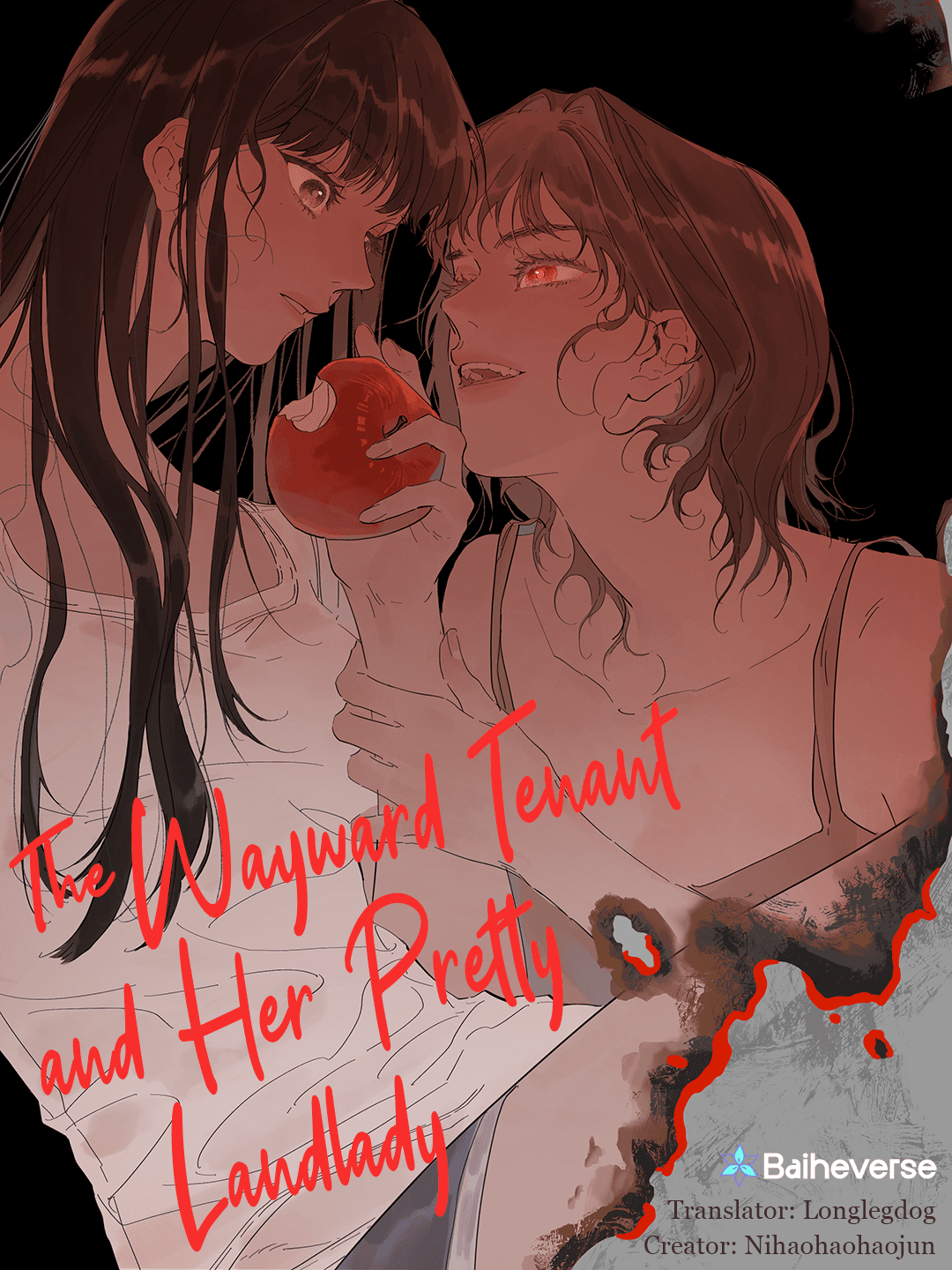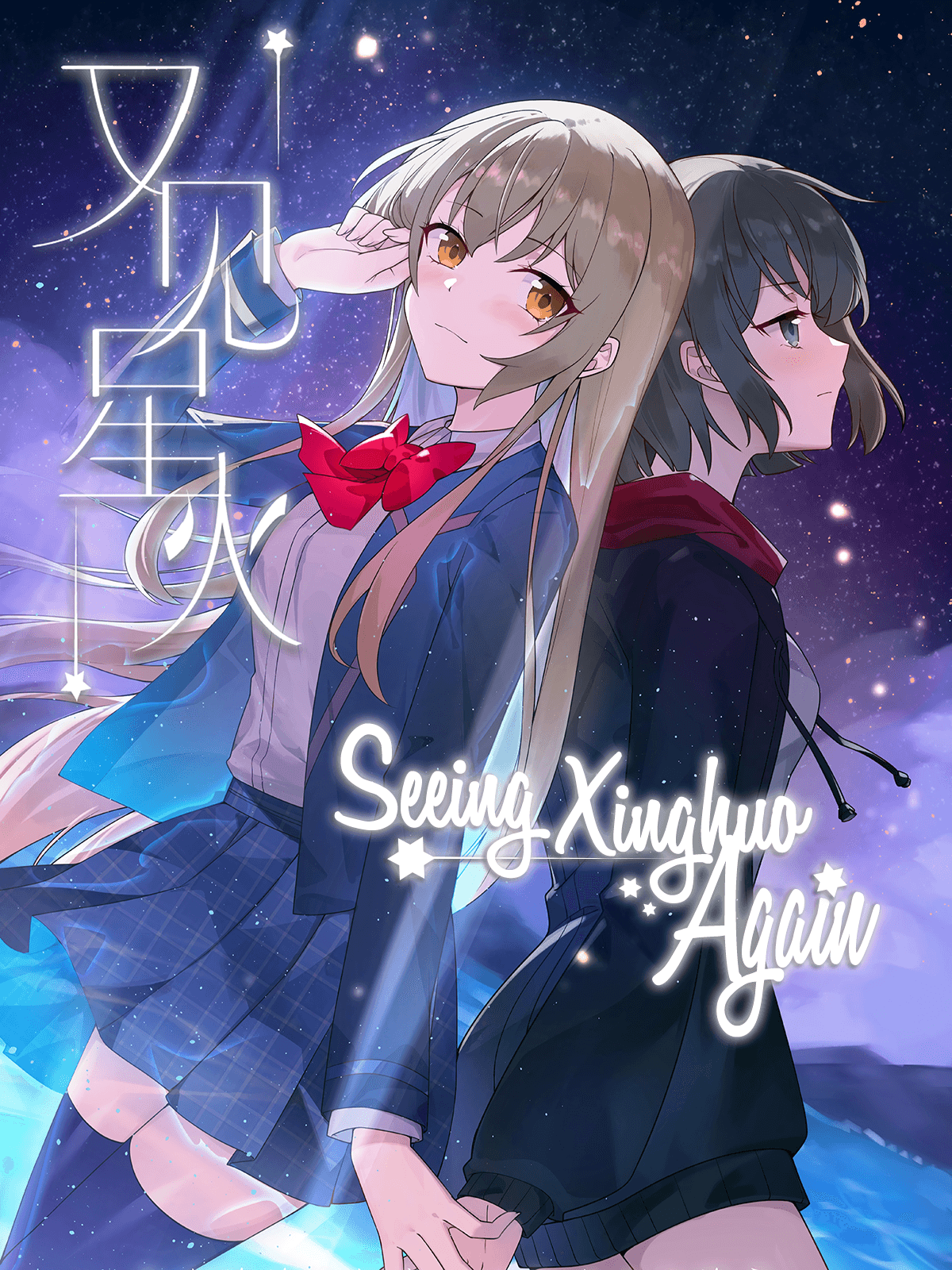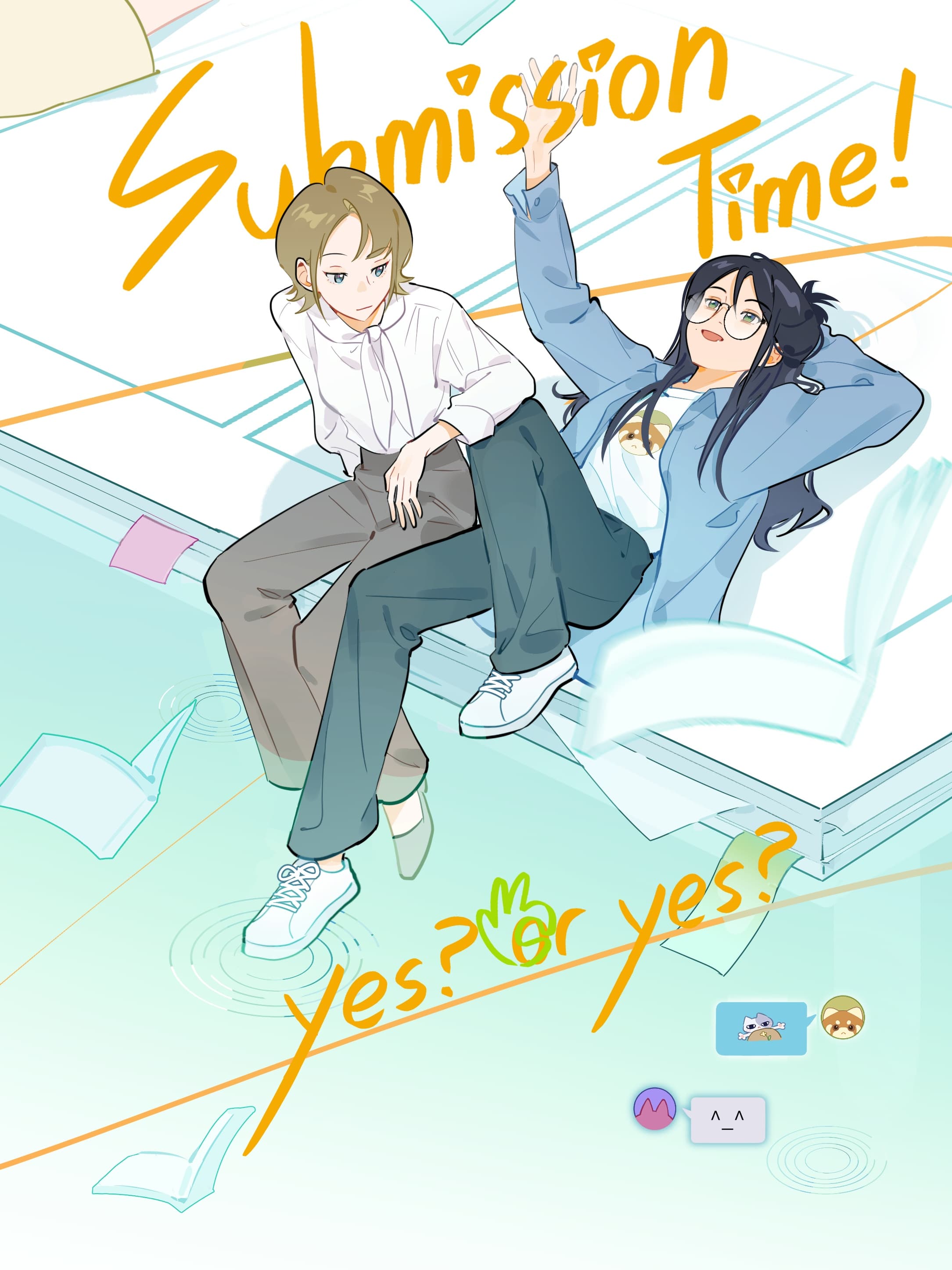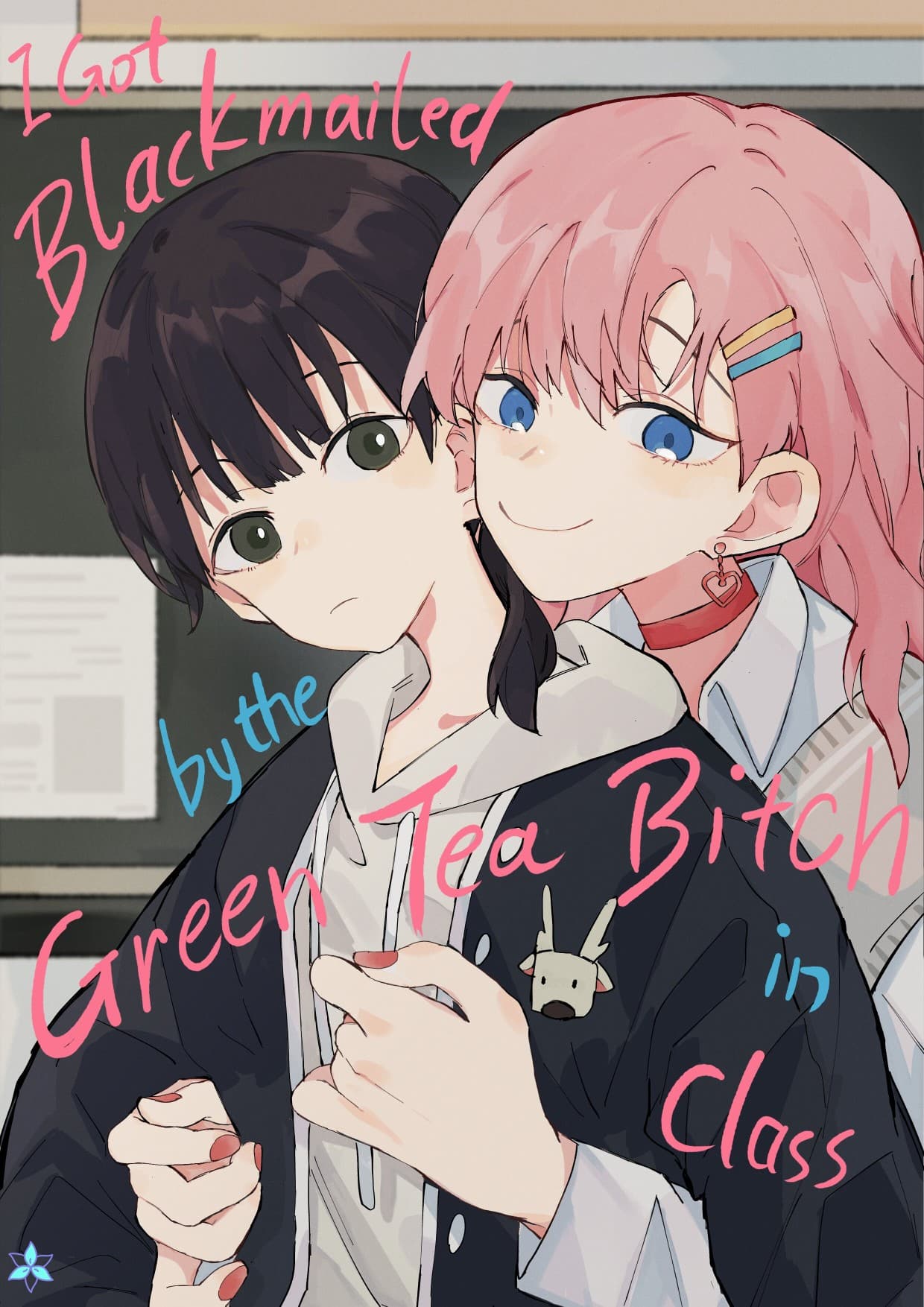

CHINESE YURI · OFFICIAL ENGLISH BAIHE

Chinese Yuri in English: Baihe Comics, Novels, and Audio

Chinese yuri—baihe (百合) in Chinese—is fiction from China about women who fall in love with women. Baiheverse publishes it in official English: comics, novels, and audio.

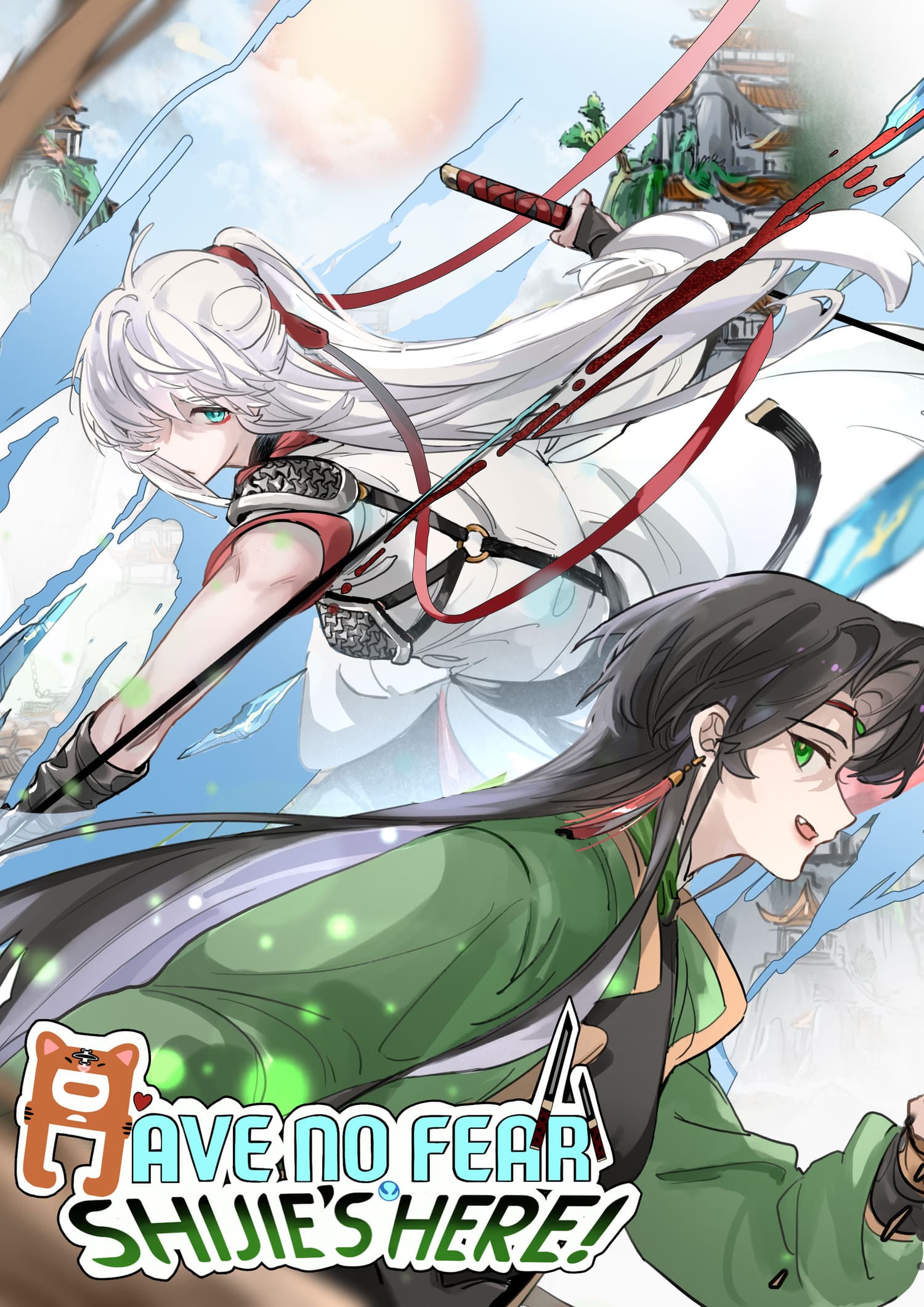
Begin with Shijie: a xianxia rescue comedy where the woman assigned to protect the heroine keeps being saved by her instead. Then choose school rivalry, adult slow burns, creator–editor chaos, a completed novel, or audio.

The quick answer

What is Chinese yuri called?

Baihe (百合, “lily”) is the Chinese-language term commonly used for stories centred on romantic or intimate relationships between women.

Same stories, two names. English readers say yuri; Chinese publishing says baihe.

Yuri, baihe, and GL overlap, but they come from different language and media histories. For stories from China, baihe names the more specific cultural and publishing context.

Baihe stories come as comics, novels, and audio dramas. Format tells you how a story is told; premise tells you whether you are entering a school rivalry, an immortal-fantasy rescue comedy, an office slow burn, or a thousand-year reunion.

One story, two formats

Read the reunion—or hear it unfold.

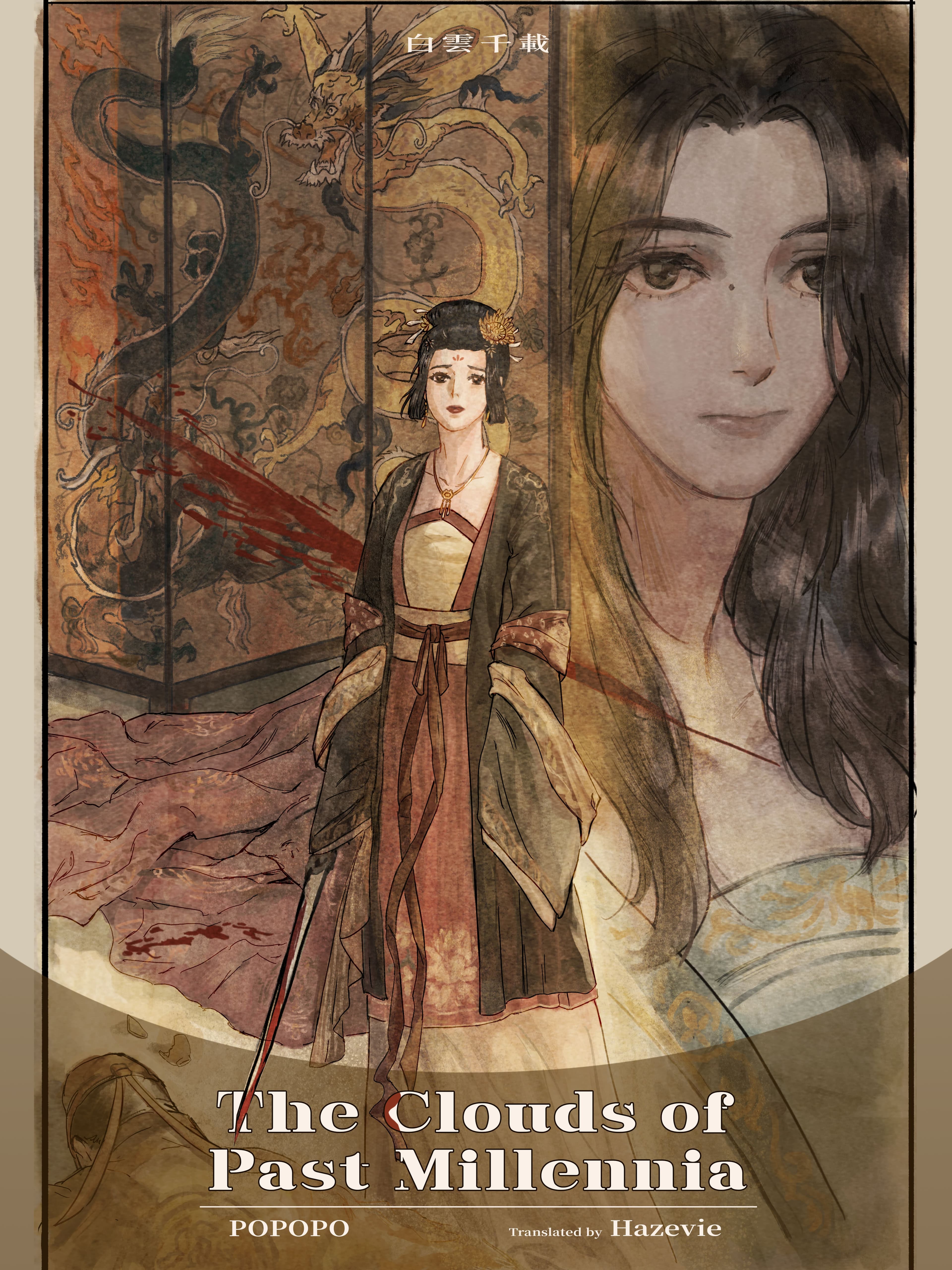
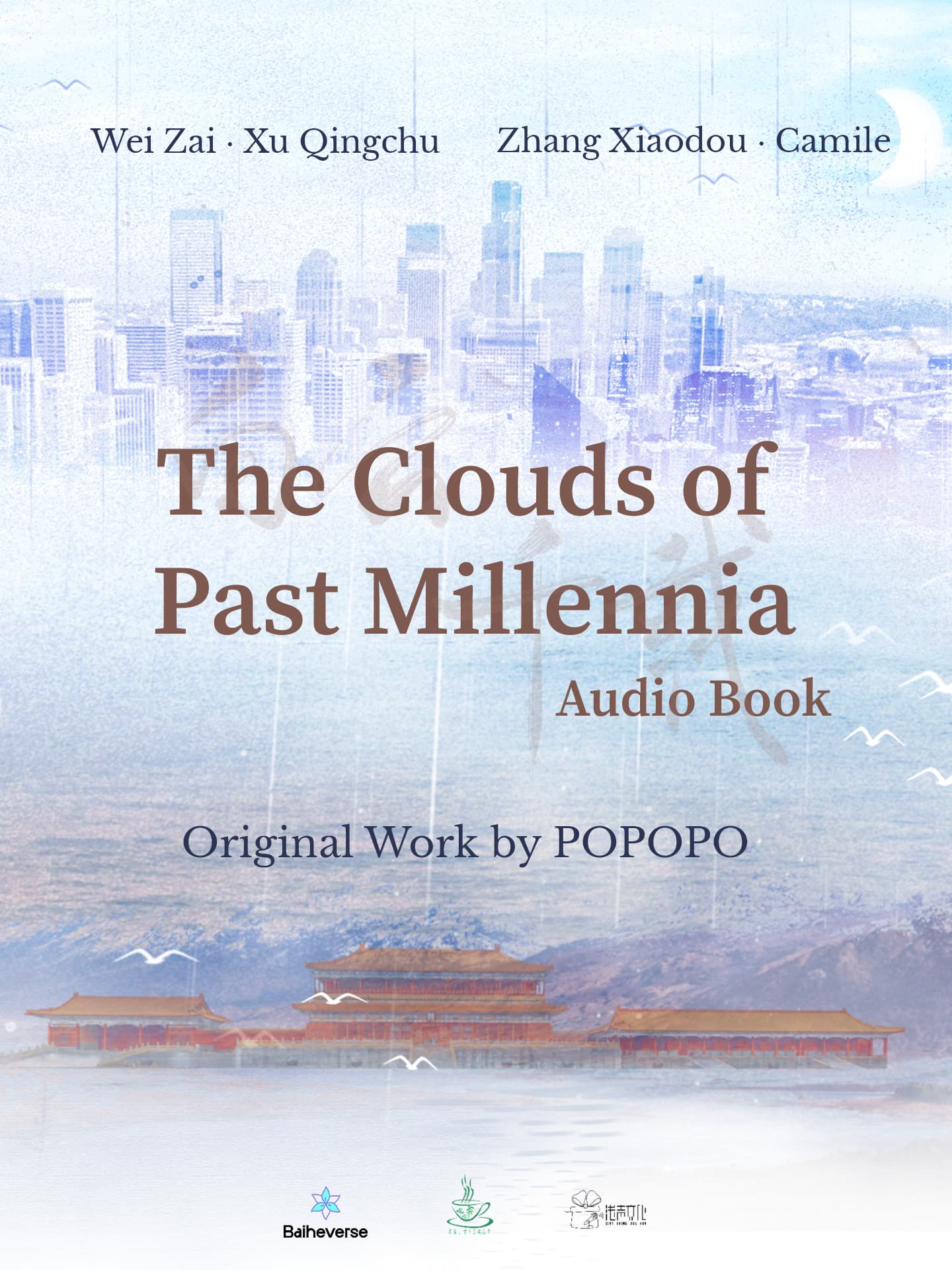
The Clouds of Past Millennia is available as a completed English novel and a 13-entry audiobook with English subtitles. The story stays the same; the pace belongs to you.

Read the reunion—or hear it unfold.
WorkEditionWhere to startBest when
The Clouds of Past Millennia English novel cover

The Clouds of Past Millennia

Completed English novelBegin with Chapter 1You want to pause, reread, and control the pace.
The Clouds of Past Millennia audiobook cover

The Clouds of Past Millennia Audio Book

13-entry audiobook with English subtitlesFirst 4 entries are freeYou want voices to carry the reunion.
Same story: Choose the novel when you want to control the pace. Choose the audiobook when voices and English subtitles help the thousand-year reunion land.

How reading works

Try the chemistry. Then decide how far to go.

Baiheverse shows the reading path before you unlock anything.

01 /

Sample the actual story

Use the opening chapters to get a feel for the art, translation, pacing, and relationship before you continue.

02 /

See the price first

Paid chapters show their coin price before you unlock them. No blind purchase and no hidden bundle decision.

03 /

Keep what you unlock

Unlocked chapters stay tied to your account, so you can leave and return without buying the same reading again.

04 /

Support one title at a time

Your unlock supports that title’s officially licensed English release. See how rights, translation, and publication work on About Baiheverse.

FAQ

Questions about Chinese yuri

01 /What is Chinese yuri called?

Chinese yuri is commonly called baihe (百合) in Chinese. The term covers fiction centred on romantic or intimate relationships between women.

02 /Is Chinese yuri manga actually manhua?

For comics from China, manhua is the more precise format term. Baiheverse publishes official English baihe manhua, alongside novels and audio.

03 /Where should I start reading?

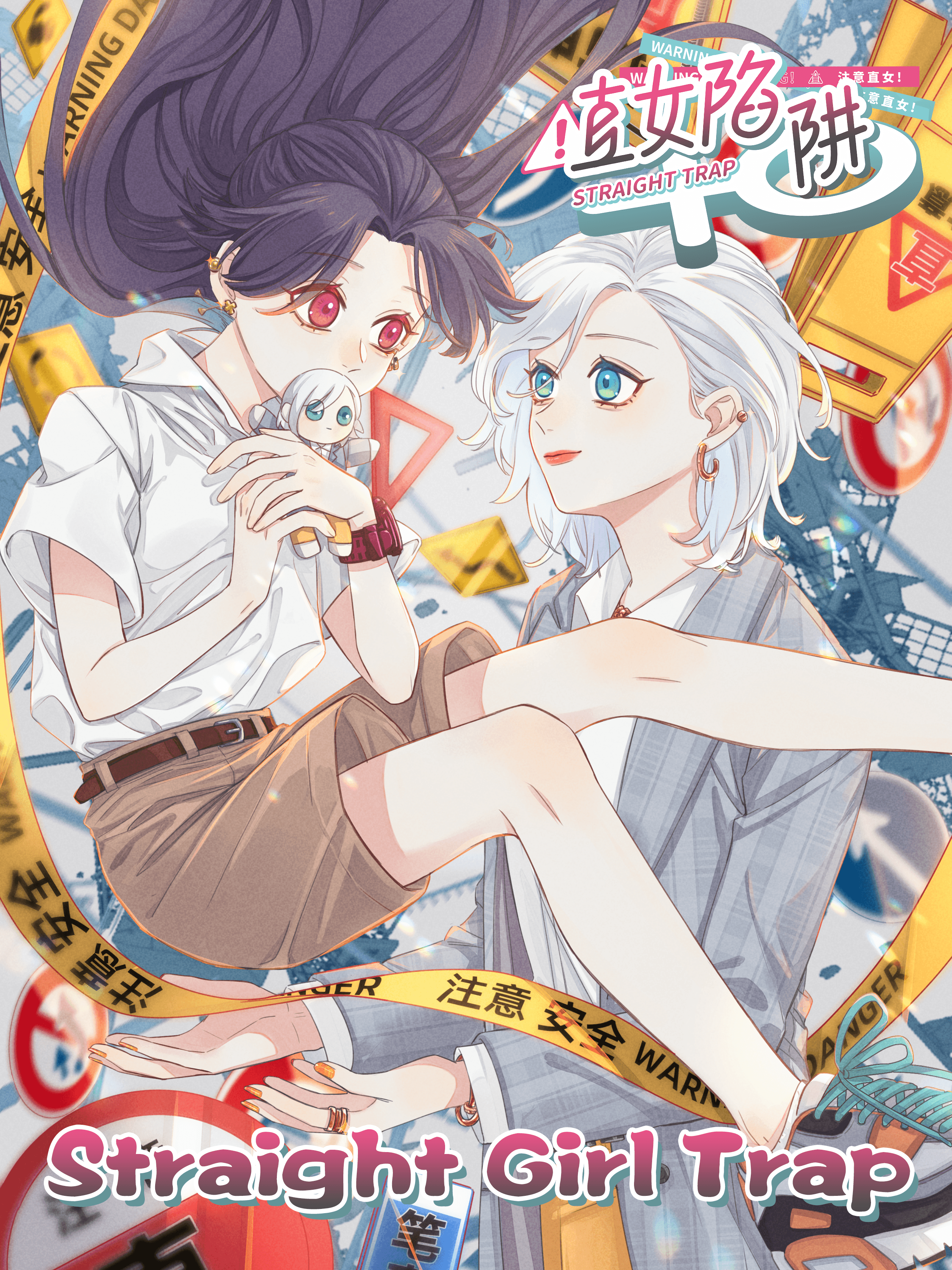
Start with Green Tea for school rivalry, Shijie for xianxia comedy, Straight Girl Trap for a completed office slow burn, or Submission Time for a fully free creator–editor romance.

04 /Can I start without paying?

Yes. Submission Time is fully free, and several longer series have free opening chapters. Each work page shows the current access path before you read.

05 /How do paid chapters work?

Paid chapters show their coin price before you unlock them. Once unlocked, they stay tied to your account so you can return later.

06 /Are there Chinese yuri novels or audio stories?

Yes. The Clouds of Past Millennia is available as a completed English novel and a 13-entry audiobook with English subtitles; the first four audio entries are free.

07 /Is an ancient-style setting the same as xianxia?

No. Ancient-style describes the setting or visual era. Xianxia refers to cultivation, spiritual power, and immortal-fantasy worldbuilding. A story can use one without the other.