








What does Shijie mean?

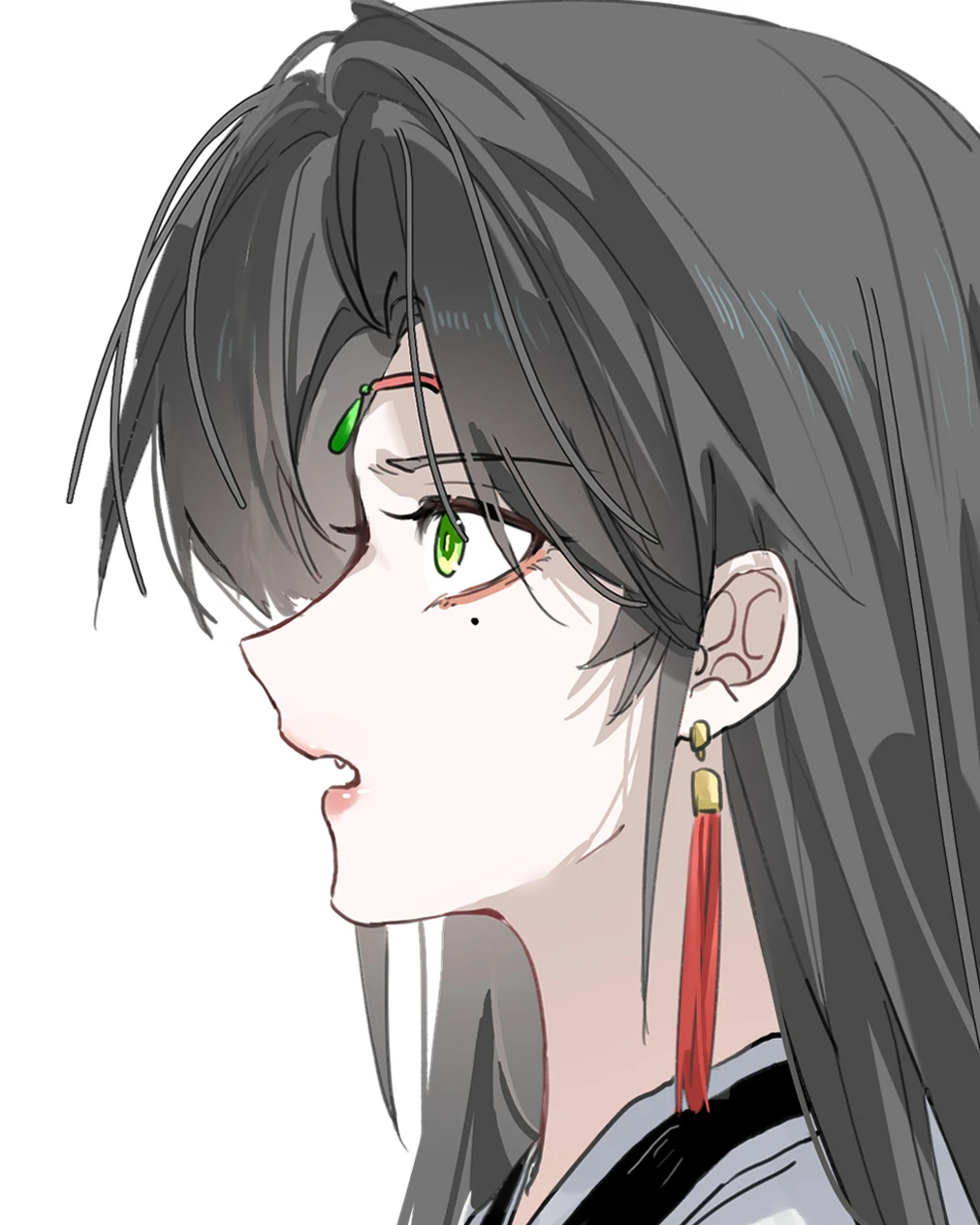
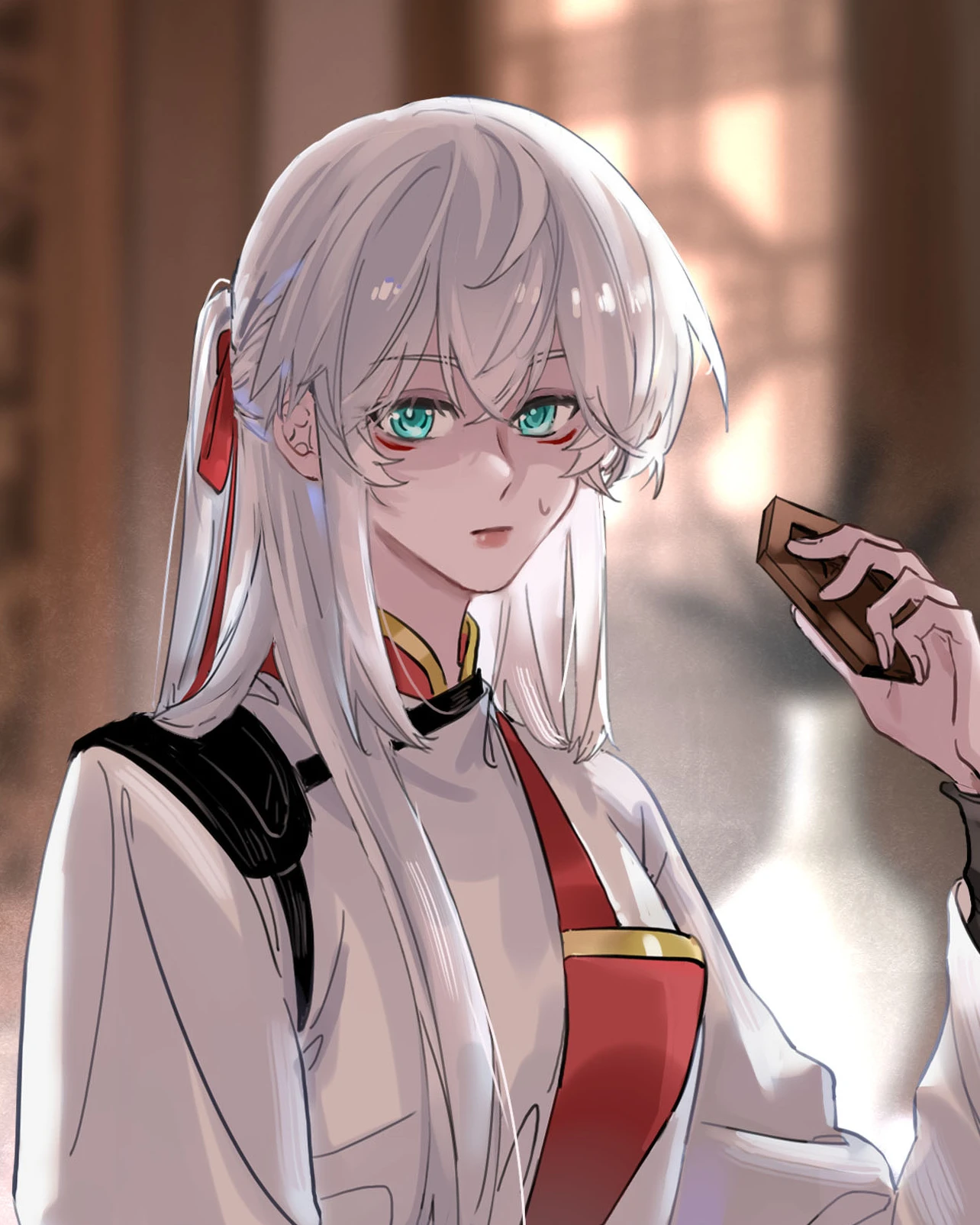
Shijie (师姐, shījiě) is a Chinese term for a senior female fellow disciple in the same teacher–disciple lineage. In Have No Fear, Shijie’s Here!, Lan Qinghe calls Ji Linxue shijie—the senior disciple she is meant to protect, who keeps protecting her instead.

Who counts as senior depends on the tradition or story: age, training order, or formal entry may matter. Shijie names a relationship, not a biological sister or a romantic partner.

Have No Fear, Shijie's Here! cover
01Shijie02Relationship03Translation

Who can call someone shijie?

Shijie is a relational title: a junior disciple uses it for a senior female fellow disciple in the same lineage. Change the speaker or their place in the lineage, and the correct title changes.

01 /

Shijie (师姐)

A senior female fellow disciple relative to the speaker. The title belongs to a peer relationship within a teacher–disciple lineage.

02 /

Shimei (师妹)

A junior female fellow disciple relative to the speaker. It names the same peer relationship from the other direction.

03 /

Shizun (师尊)

An honorific for a teacher or master. It marks a vertical teacher–disciple relationship, not the reciprocal position to shijie.

04 /

Tongmen (同门)

Fellow disciples within the same school or lineage. Tongmen names their shared affiliation; shijie and shimei specify relative position within it.

Relationship boundary.These family-shaped titles express lineage and rank; they do not by themselves describe biological kinship or romance.

How is seniority decided?

Shijie marks a senior female fellow disciple within a shared teacher–disciple lineage. That seniority may follow age, when someone began training, or when she formally entered the lineage. Fictional sects can establish their own order.

Each lineage sets its own order. Some put older disciples first; others follow training or formal entry. Stories can also leave the rule unstated while making the senior–junior relationship clear through the titles characters use.

01 /

Age may decide.

The Revised Mandarin Chinese Dictionary defines shijie as an older female fellow disciple. Its entry for shimei also includes someone younger in age or later in training, so ordinary usage can draw on both.

02 /

Entry may decide.

A specific story may not state whether two fellow disciples are ordered by age, training date, or formal entry. This page explains the title without inventing a sect rule.

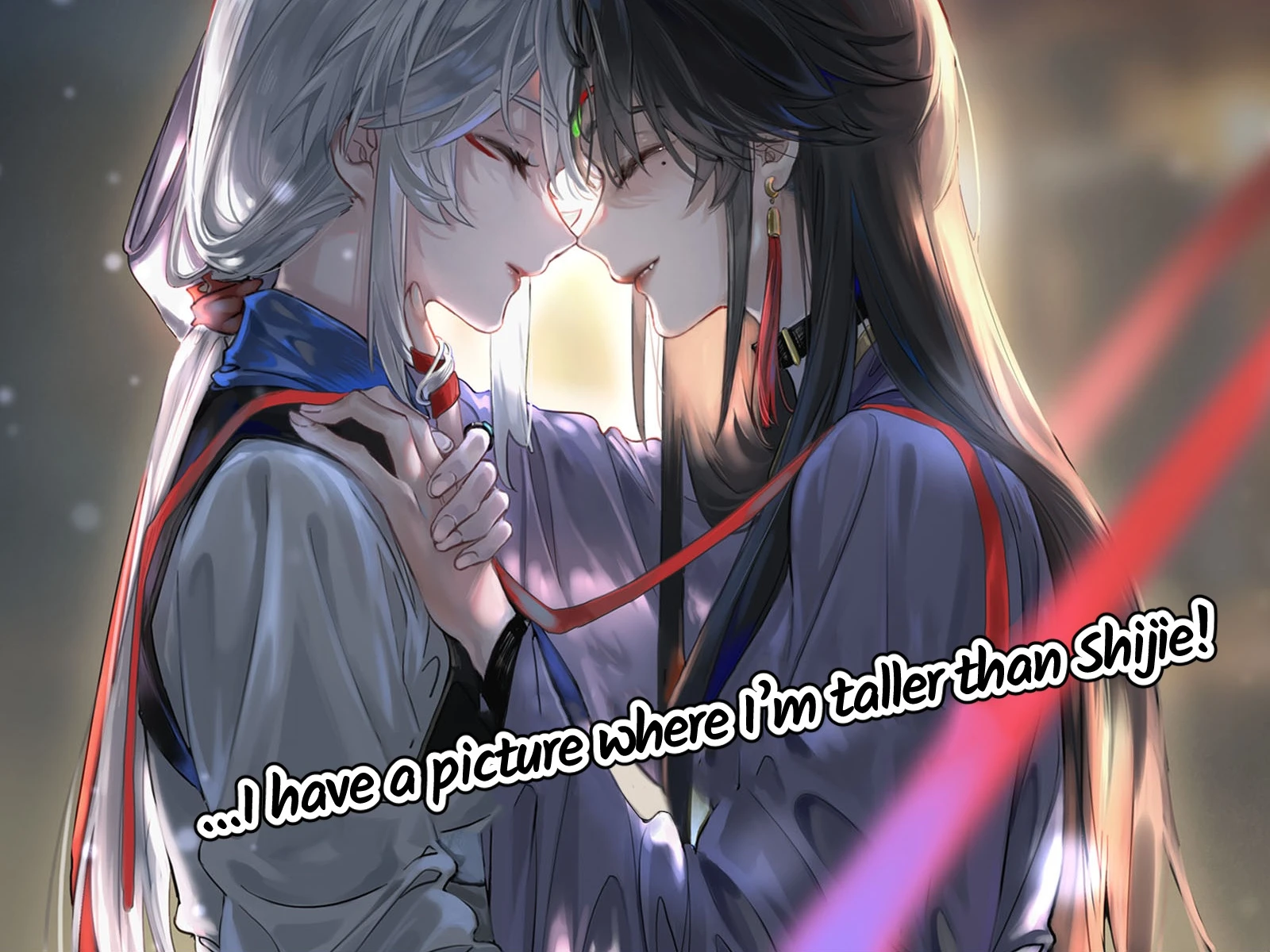
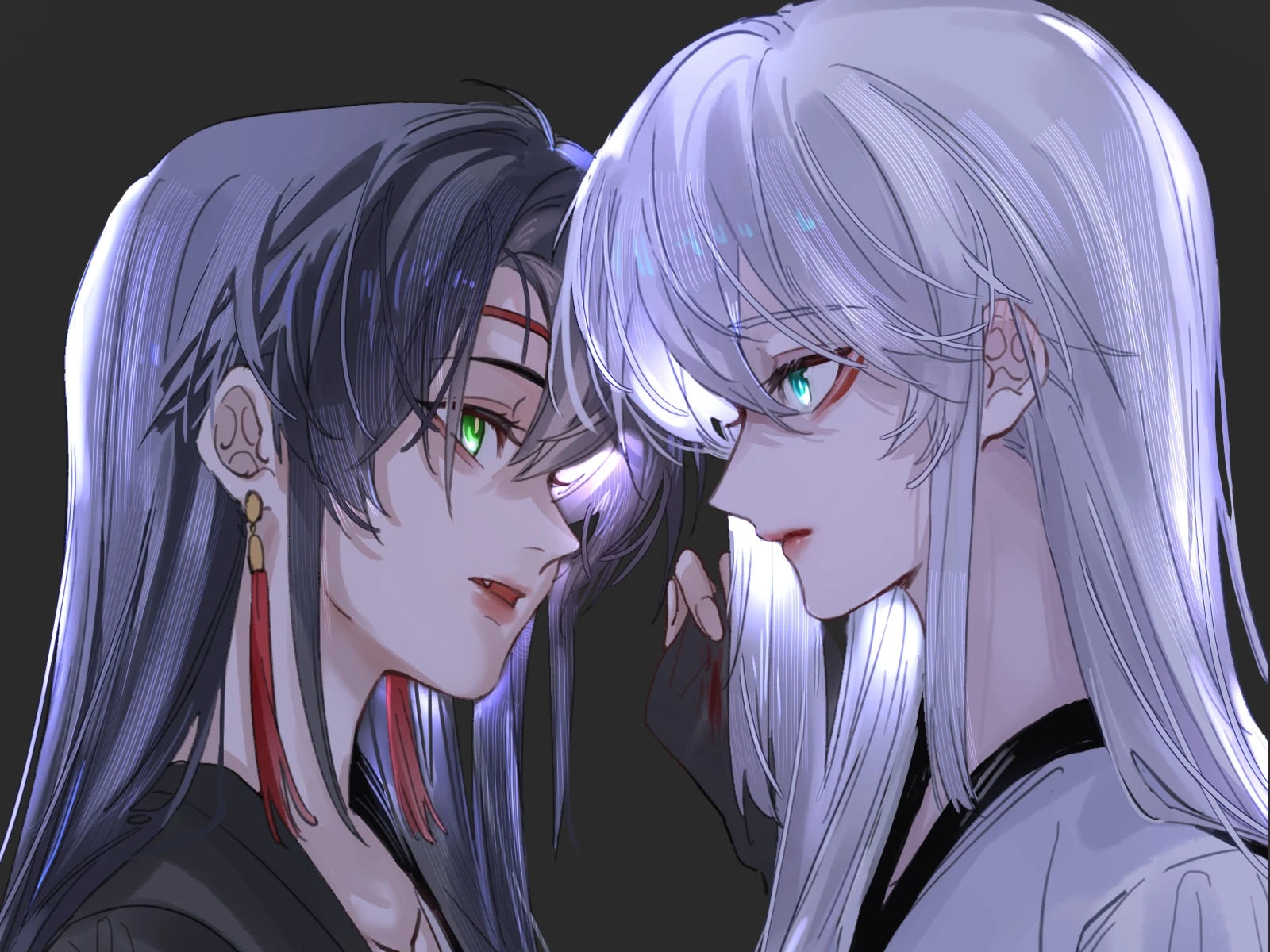
Story boundary.In Have No Fear, Shijie’s Here!, Ji Linxue is Lan Qinghe’s shijie, and Lan Qinghe is her shimei. The comic has not yet stated whether that order follows age, training, or formal entry.

How should shijie be translated?

Each form has a different job. Shijie carries the voice of the Chinese original; Senior Sister is the nearest concise English equivalent; senior female fellow disciple gives the full definition.

Shijie

Keep Shijie in the title and recurring dialogue. The Chinese term remains part of the story’s voice and gains more personal meaning each time when the character uses it.

Senior Sister

Senior Sister is a familiar English rendering in xianxia translation. It keeps the senior–junior relationship and the family metaphor, but makes the shared teacher–disciple lineage less visible.

senior female fellow disciple

Use senior female fellow disciple for the first definition or glossary. It states the relationship precisely, but reads as explanation rather than dialogue.

What does shijie come to mean in the story?

Each use reveals a different side of the relationship: first a comic pledge, then a call for help, and later a title Lan carries herself.

01 /

“Will be Shijie’s dog!”

In Chapter 1, Lan Qinghe has only just agreed to protect Ji Linxue. She fires off an absurd pledge of loyalty, only to realize her new shijie has heard every word.

Two women share a close moment in blue light.

02 /

“I failed. Shijie, help me.”

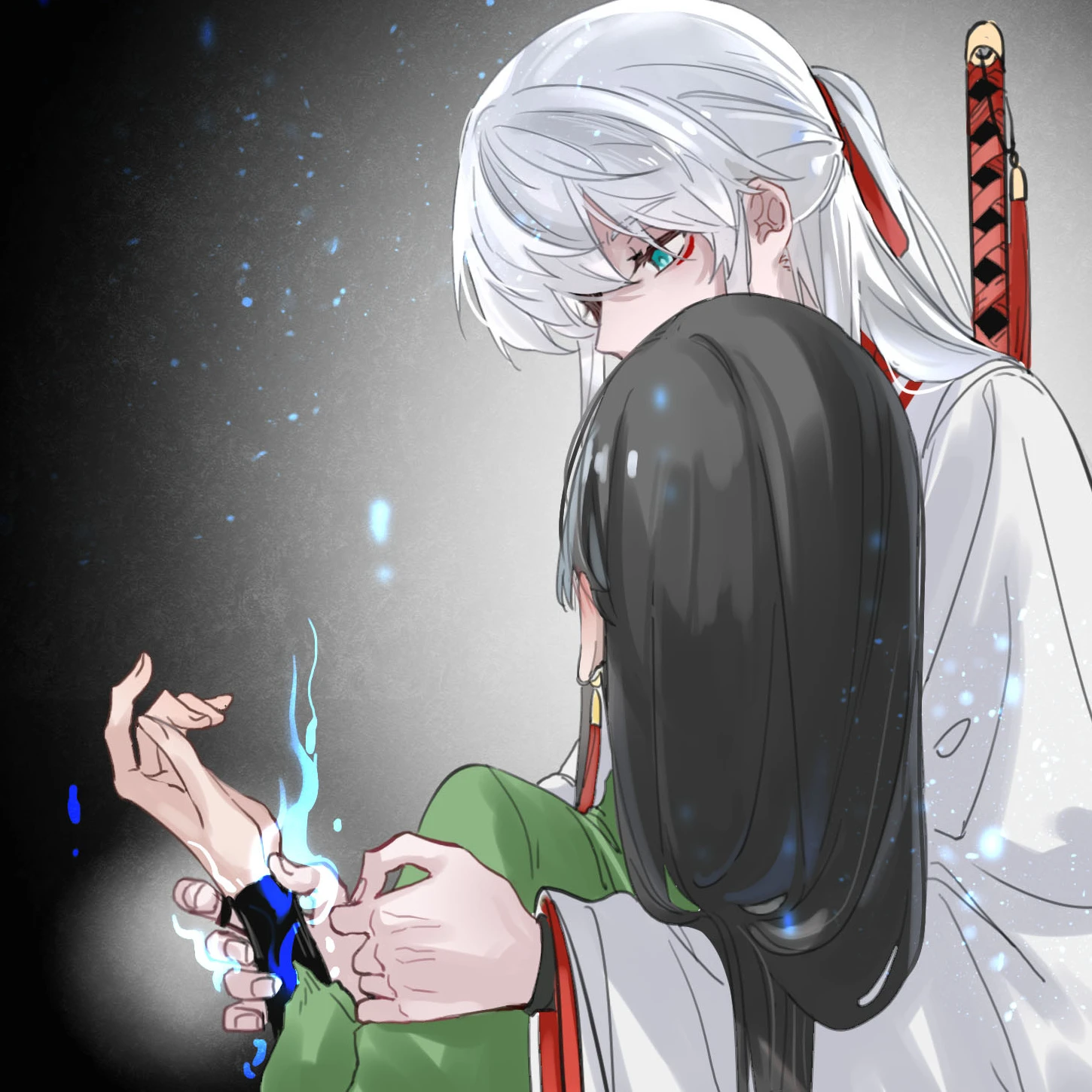
By Chapter 7, Lan no longer needs a speech. She calls for Shijie without hesitation, trusting Ji to guide her through a task she cannot yet manage alone.

A shijie guides spiritual energy to heal her shimei.

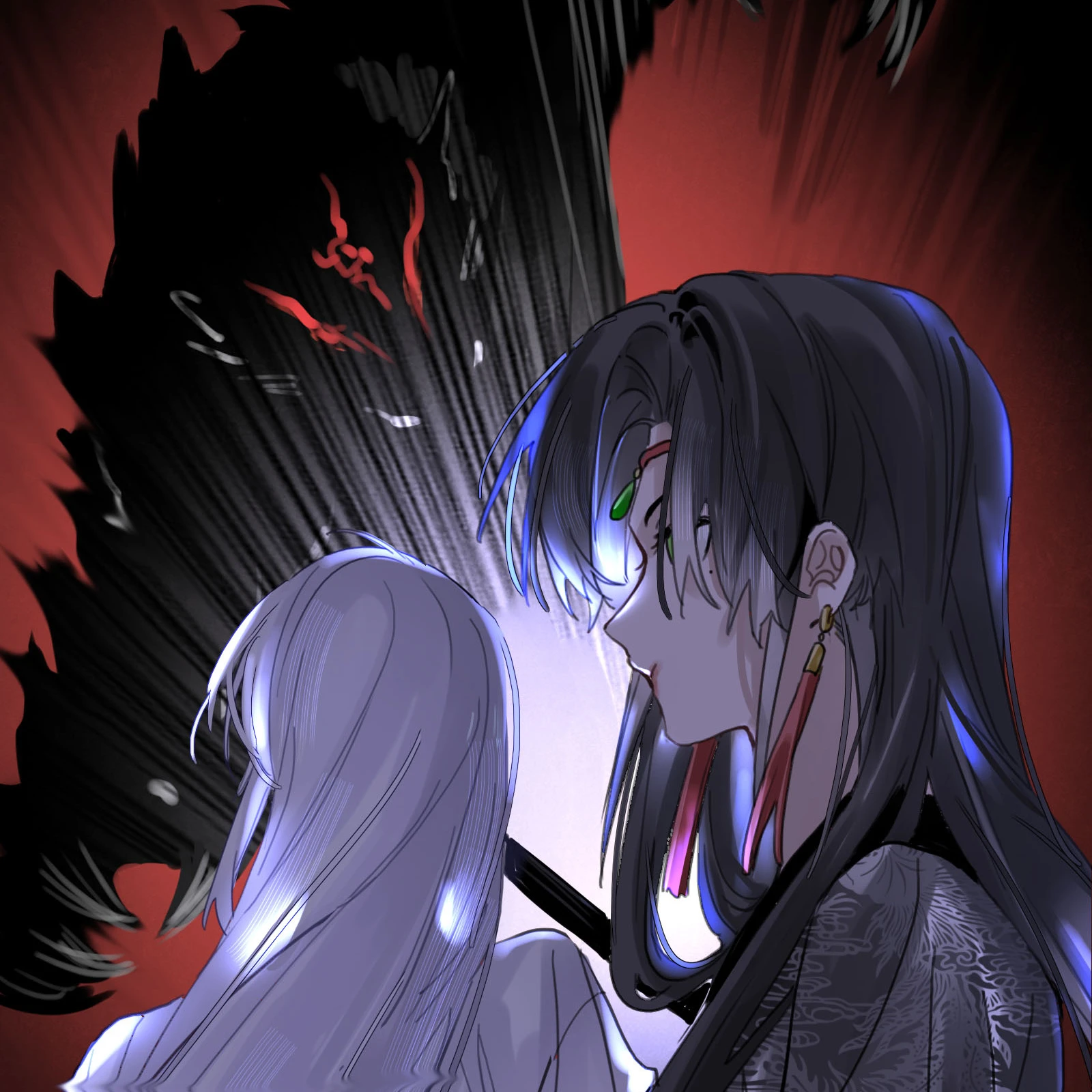
Later in Chapter 7, junior disciples call Lan “our Shijie”: “Perfect! With our Shijie here, there’s nothing to fear!” The title moves with the speaker. Lan is Ji Linxue’s shimei, but she is also shijie to other disciples.

Can shijie sound romantic?

Sometimes.

Repetition turns it into shared history.

The word begins as their place in the sect. Lan jokes with it, asks for help with it, and uses it when she expects Ji to answer.

That shared history—not the title alone—is what can make it feel intimate and protective.

Have no fear. Shijie’s here. Read the official English manhua from Chapter 1 to see how a senior-disciple title becomes a promise of protection.

Read Have No Fear, Shijie’s Here!

FAQ

The short version: these are relationship titles. Context tells you who is speaking, who is senior, and whether the story has stated the rule.

01 /Does shijie mean older sister?

Not exactly. Shijie names a senior female fellow disciple in a shared teacher–disciple lineage. Age can matter in ordinary usage, but in a sect story the title marks a relationship, not a biological sister.

02 /Is a shijie always older in age?

No. Dictionaries record age-based and later-training usage, while a named martial-arts lineage ranks peers by formal entry. A fictional sect can set another rule. If the story does not say which applies, do not invent one.

03 /Can someone younger be your shijie?

Possibly. If a setting ranks disciples by training or formal entry rather than age, someone younger can hold the senior position. You need the relationship rule of that story or lineage.

04 /What is the difference between shijie and shimei?

They name the same peer relationship from opposite positions. A shijie is senior relative to the speaker; a shimei is junior relative to the speaker. Neither term is a complete biography or a universal age statement.

05 /What is the difference between shijie and shizun?

Shijie is a horizontal relationship between fellow disciples. Shizun is an honorific for a teacher or master, marking a vertical teacher–disciple relationship. The two titles are not interchangeable.

06 /Is shijie automatically romantic?

No. The title identifies a relationship position; it does not prove romance. In a romance story, repeated use may acquire emotional charge through what the characters do for one another. The surrounding story creates that reading.

Sources

Sources for the language and lineage context used in this guide.

  • Ministry of Education (2021) ‘Shijie (師姐)’, 《重編國語辭典修訂本》 (Accessed: 22 July 2026).
  • Ministry of Education (2021) ‘Shimei (師妹)’, 《重編國語辭典修訂本》 (Accessed: 22 July 2026).
  • Ministry of Education (2021) ‘Tongmen (同門)’, 《重編國語辭典修訂本》 (Accessed: 24 July 2026).
  • Ministry of Education (2021) ‘Shizun (師尊)’, 《重編國語辭典修訂本》 (Accessed: 22 July 2026).
  • Partiková, V. and Jennings, G. (2018) ‘The Kung Fu Family: A metaphor of belonging across time and place’, Revista de Artes Marciales Asiáticas, 13(1), pp. 35–52.
  • China Shaobei Boxing Official Website (Shaobei Martial Arts Network / 中国少北拳官方网站·少北武术网) (n.d.) ‘Shaobei Etiquette (少北礼仪)’ (Accessed: 22 July 2026).